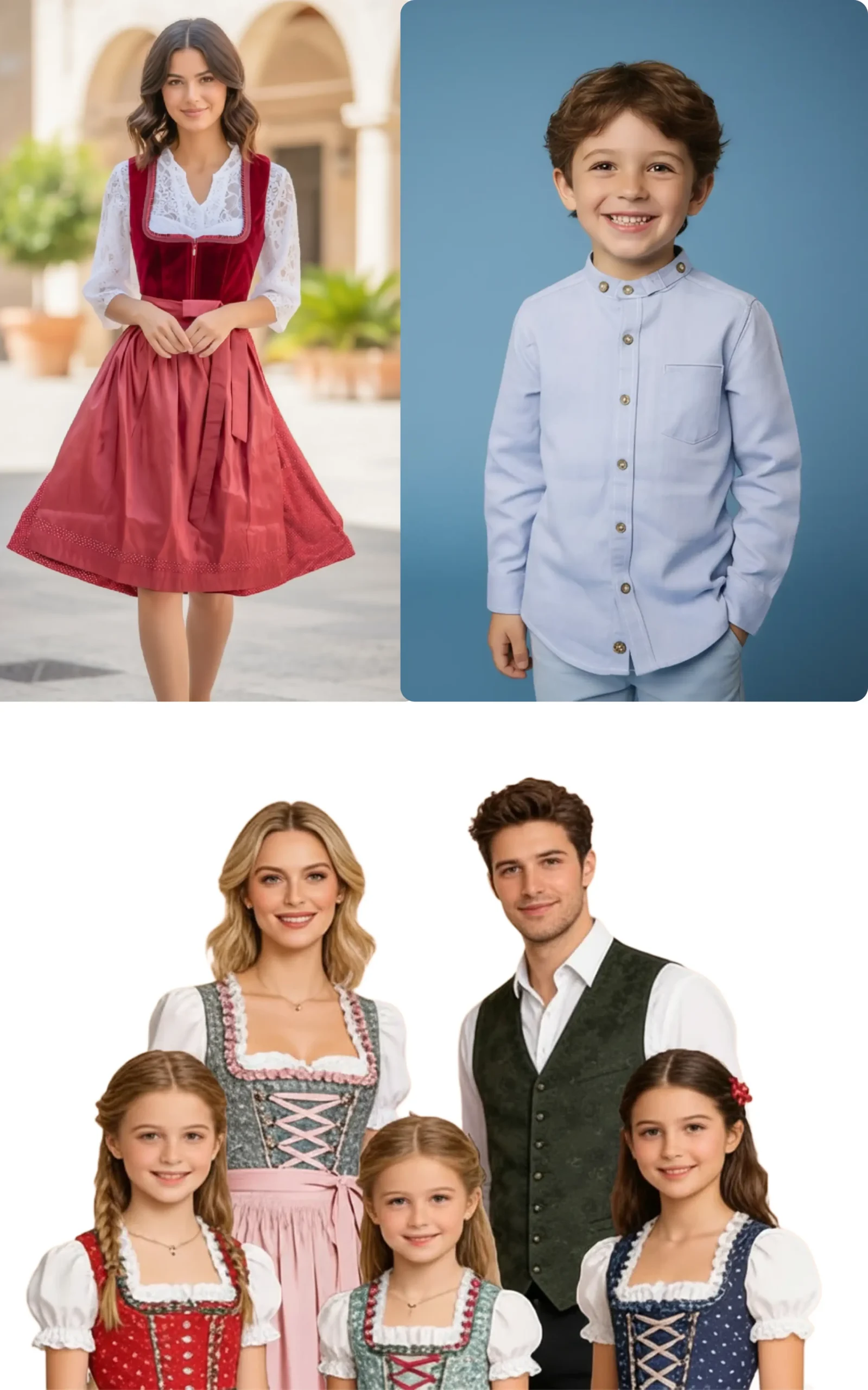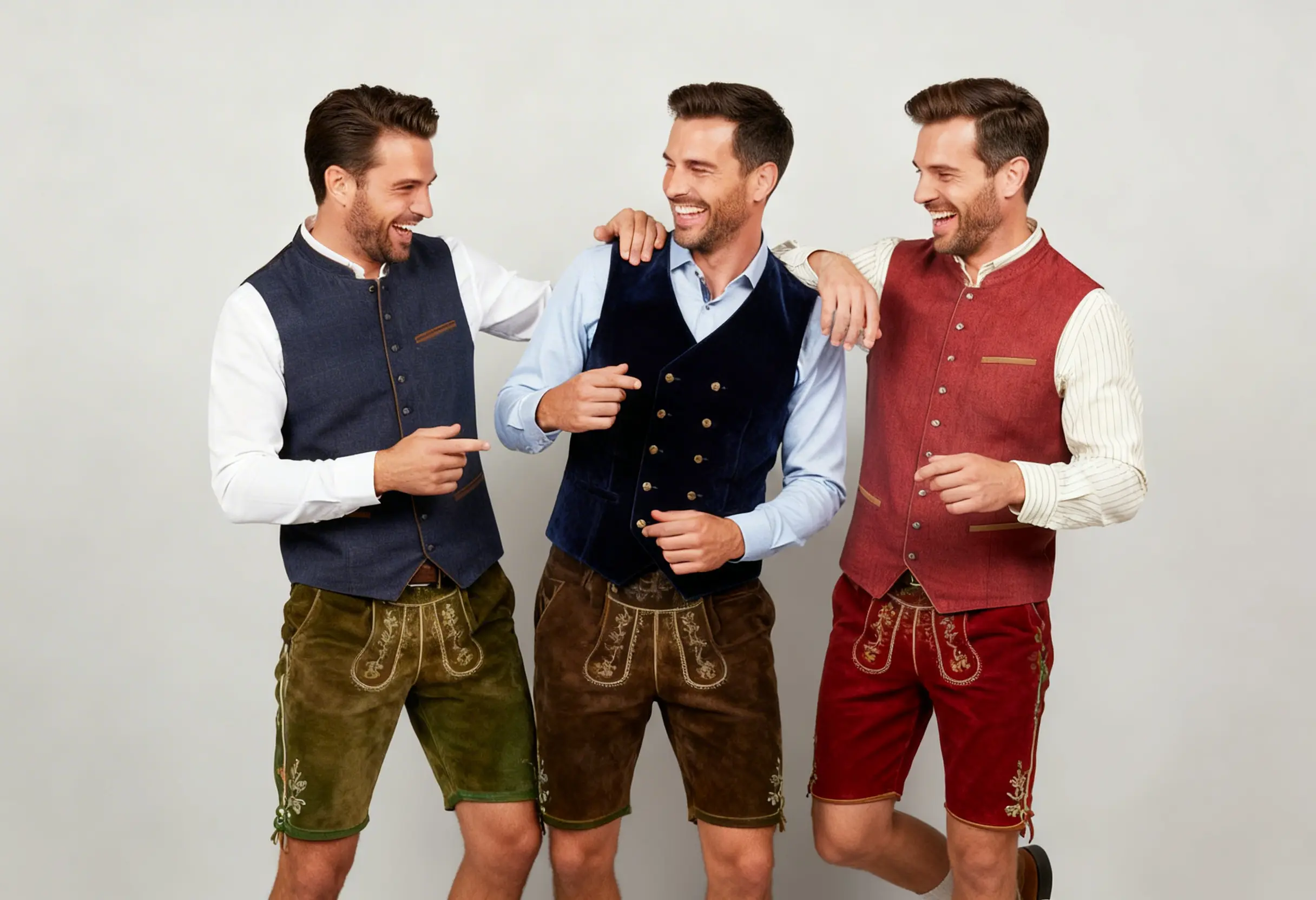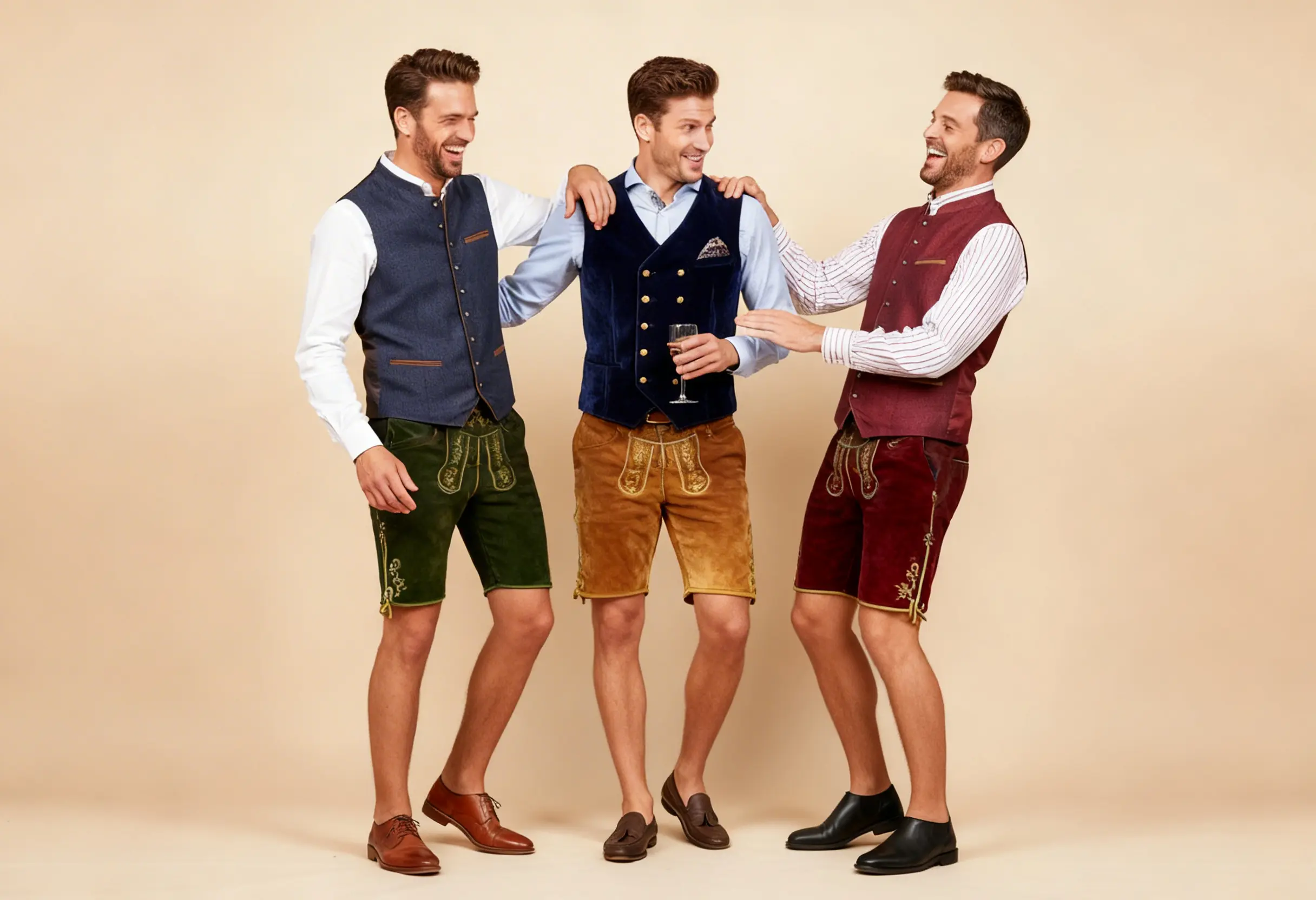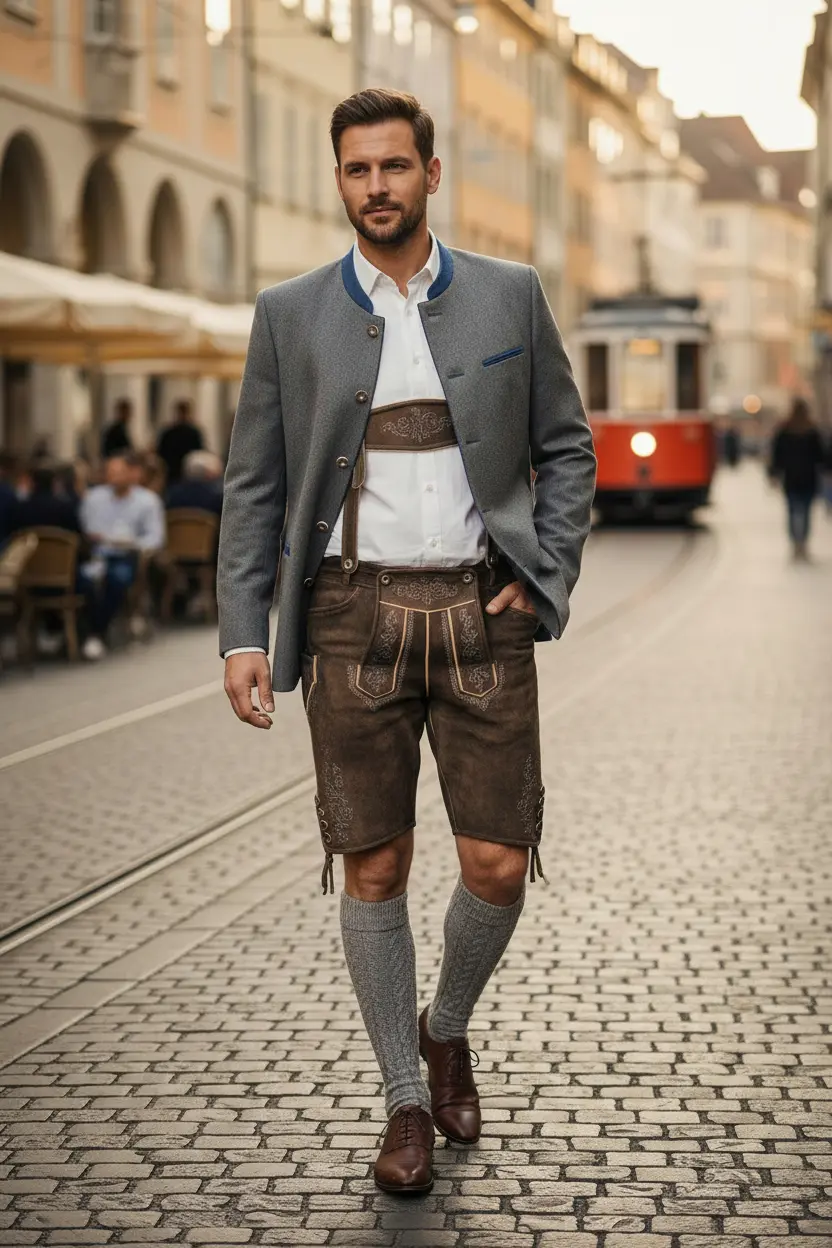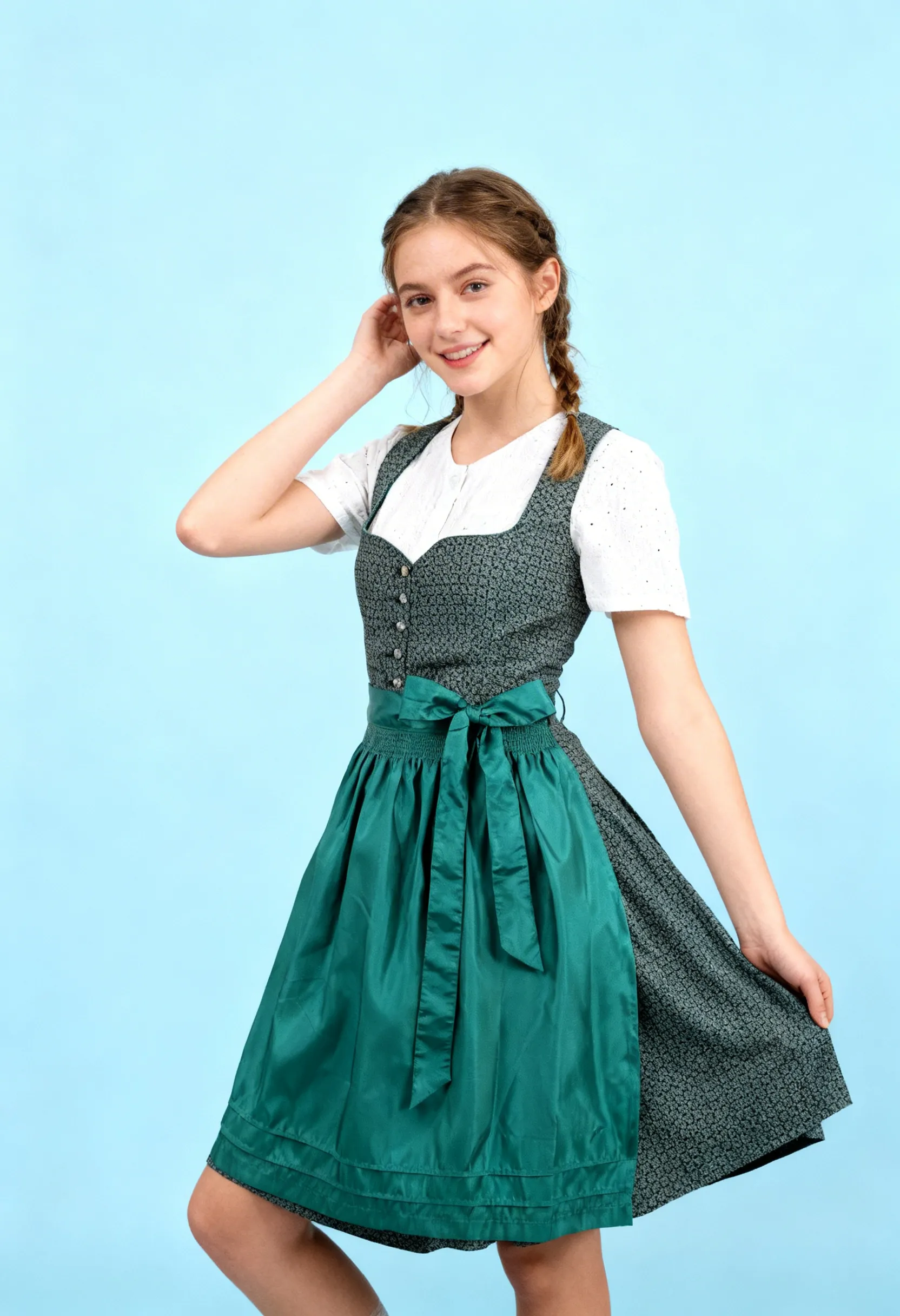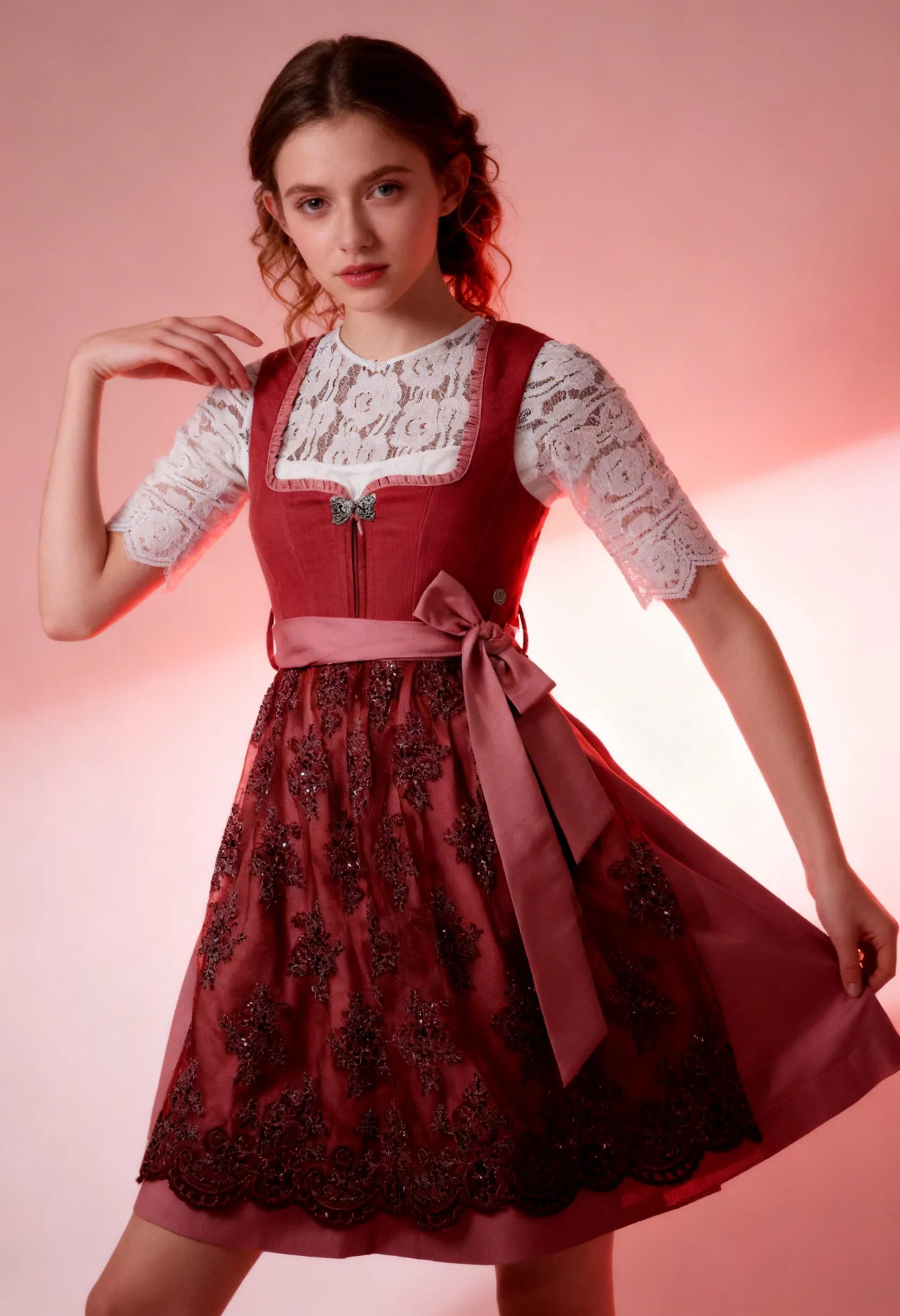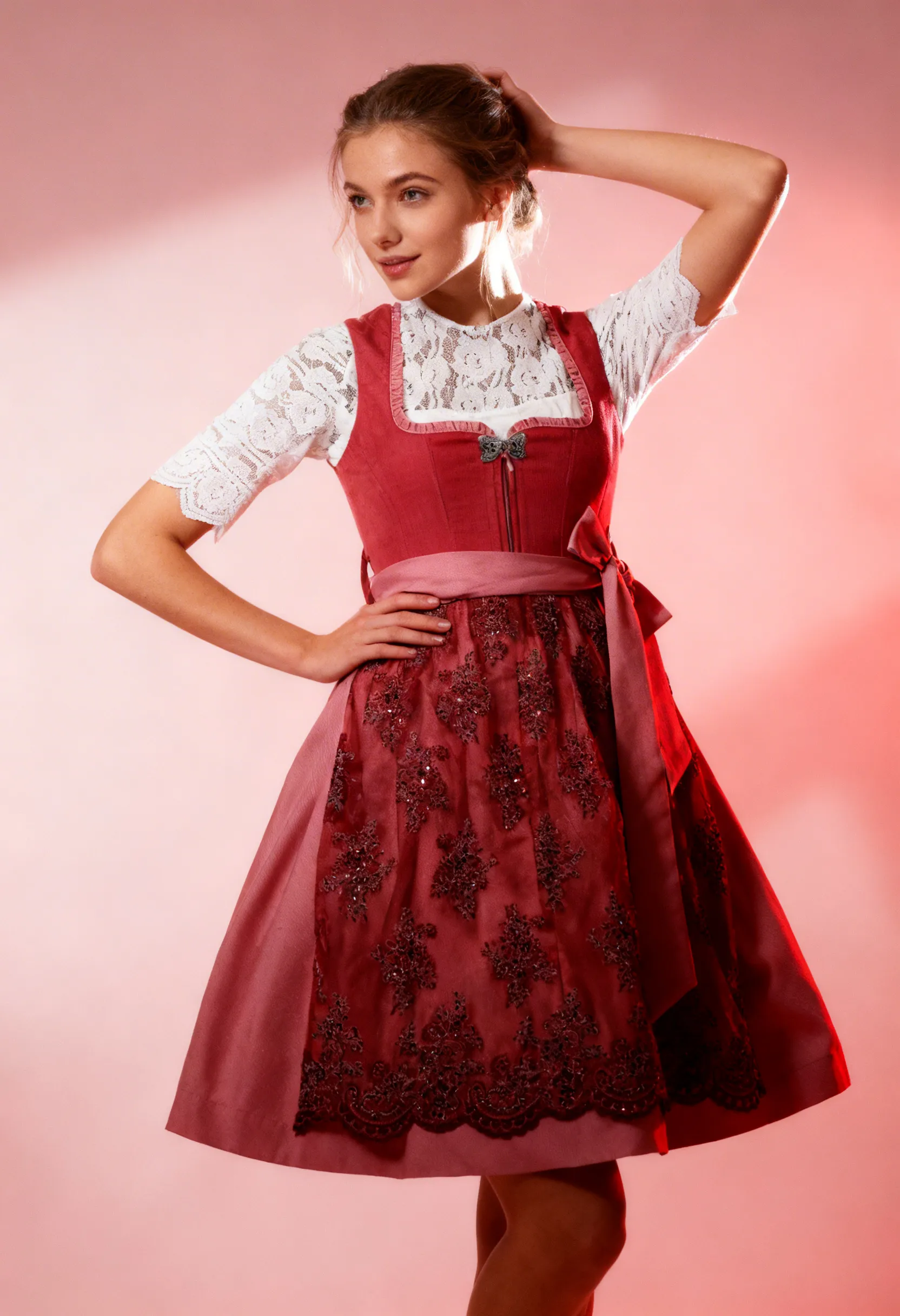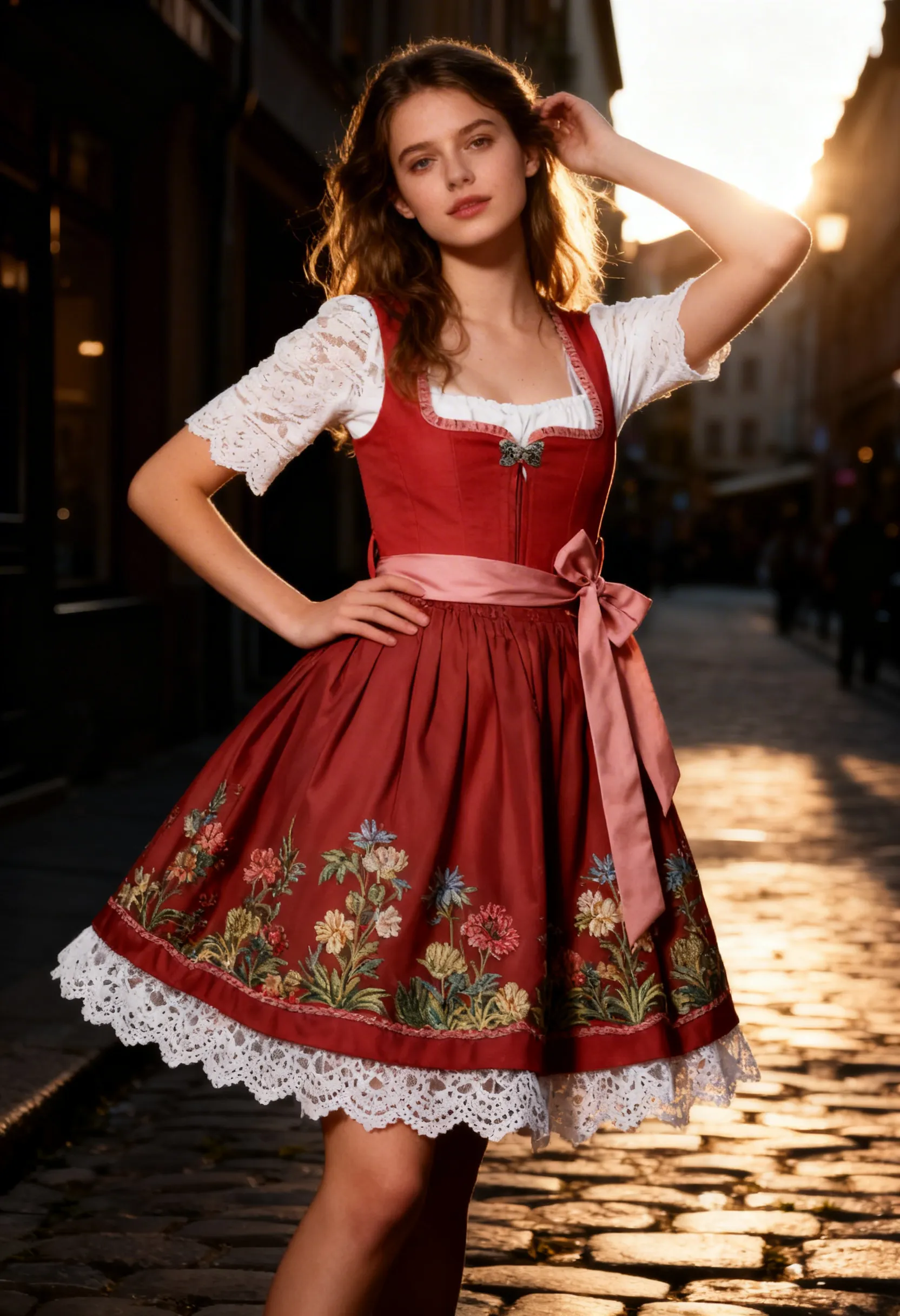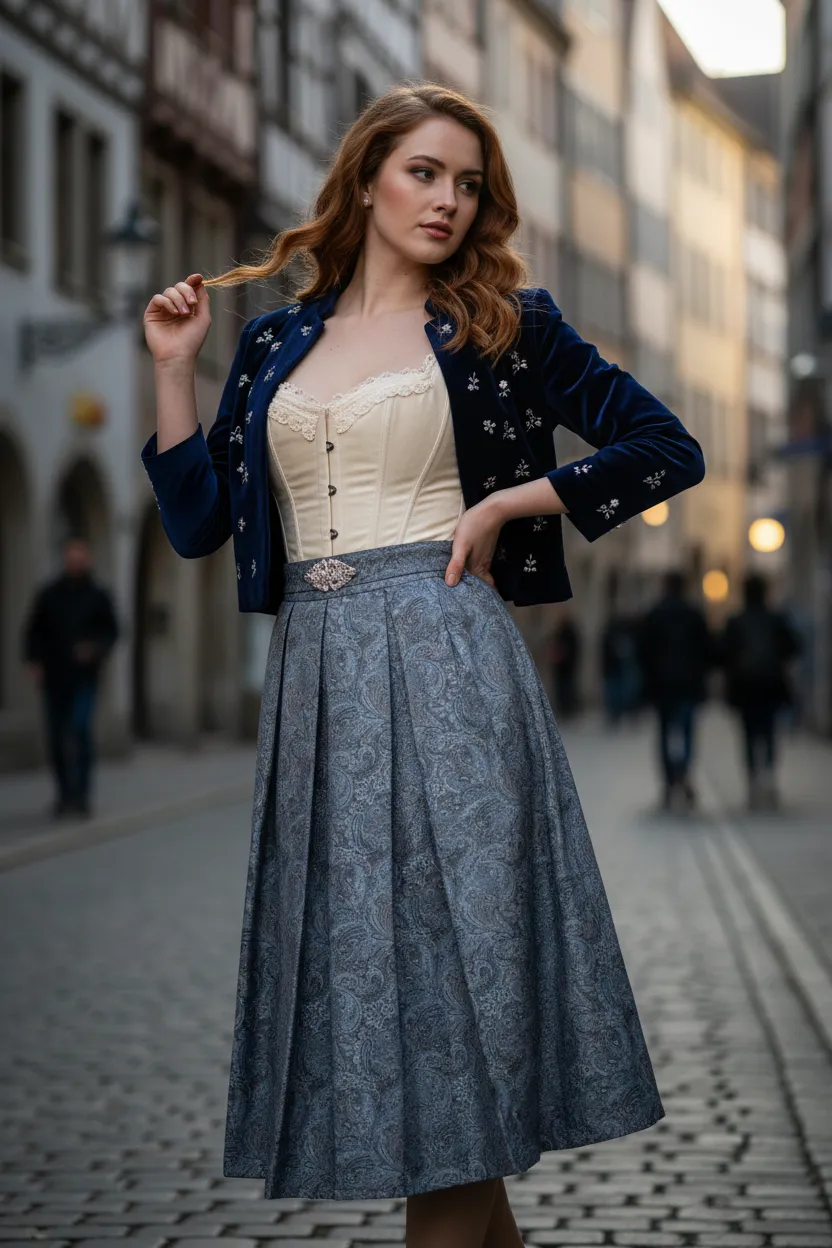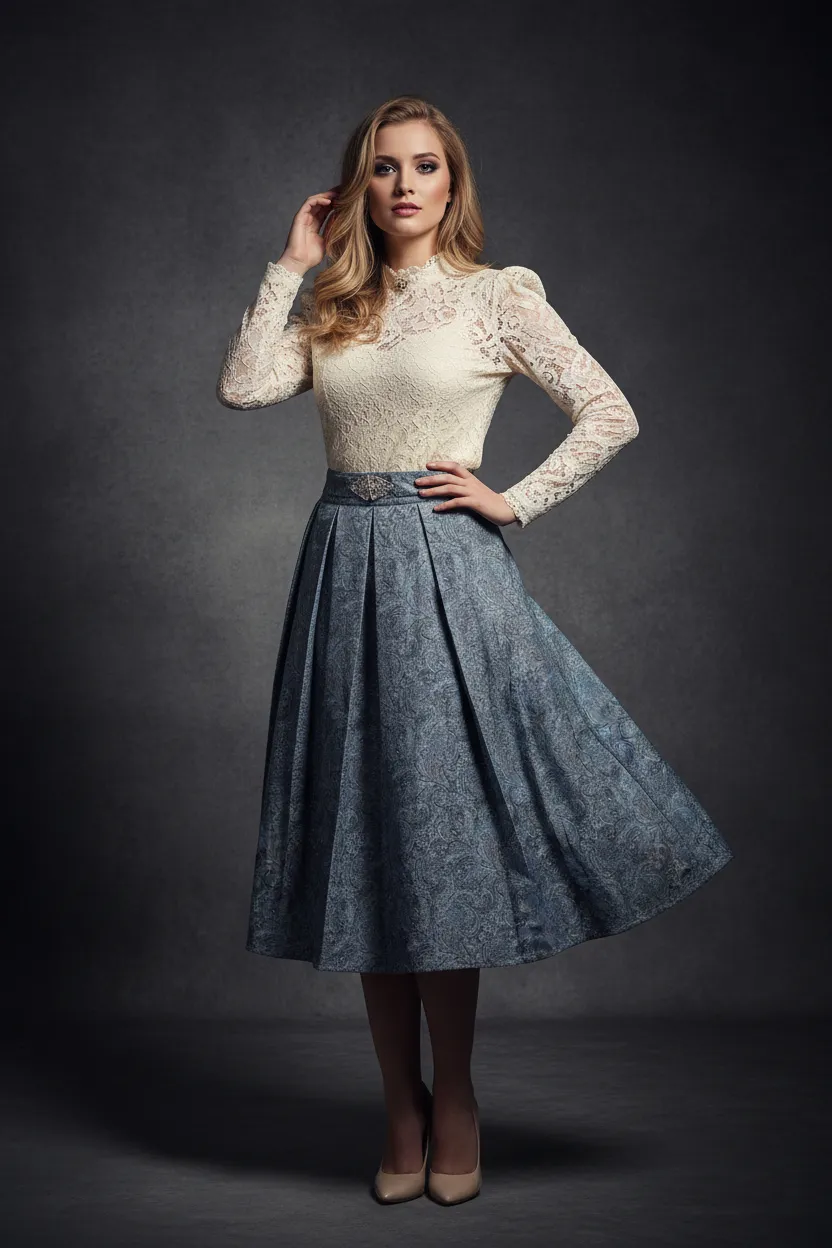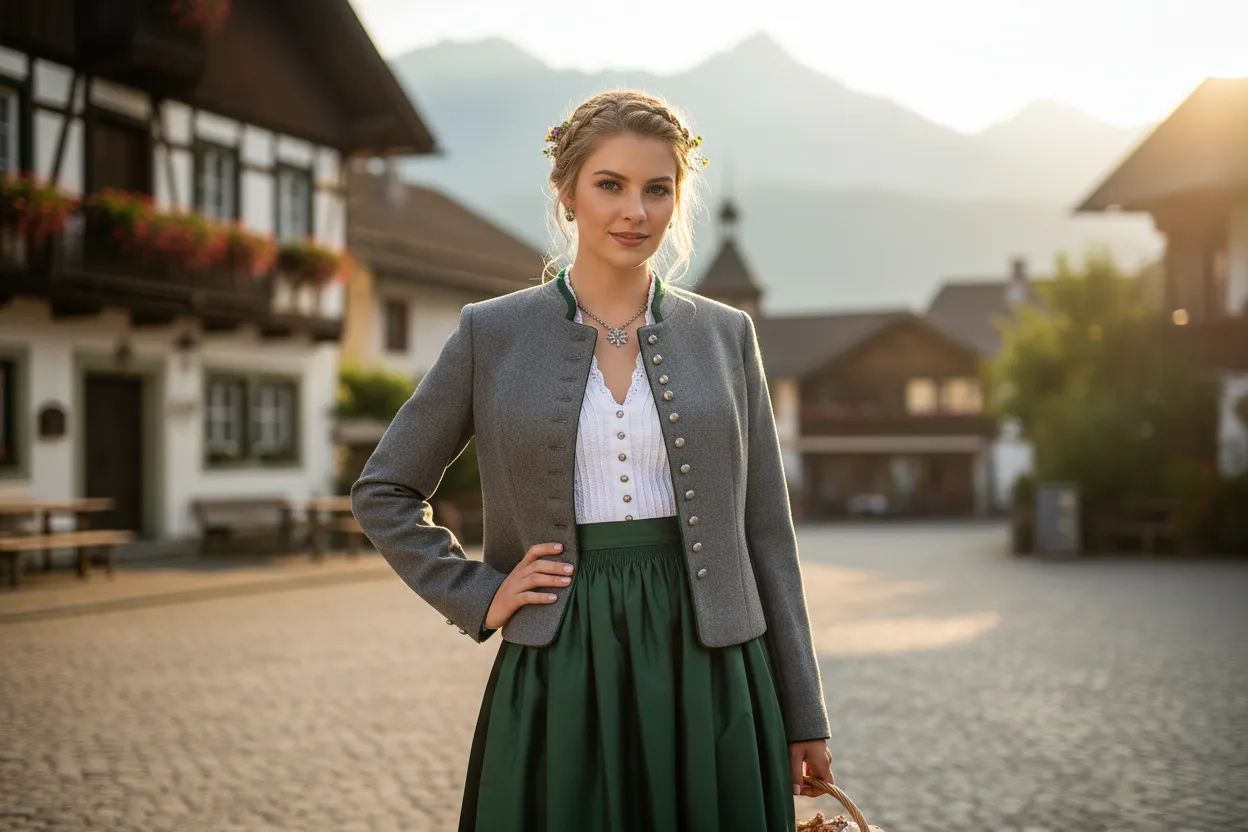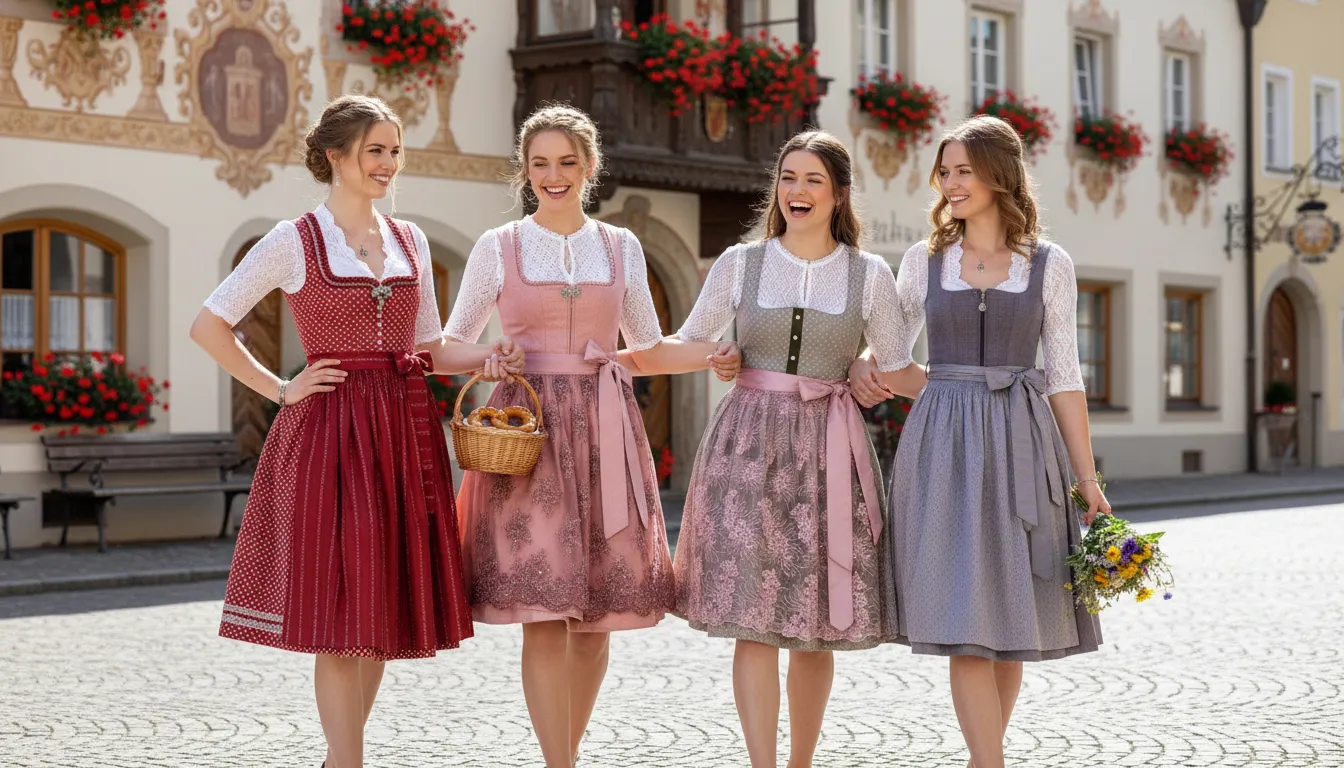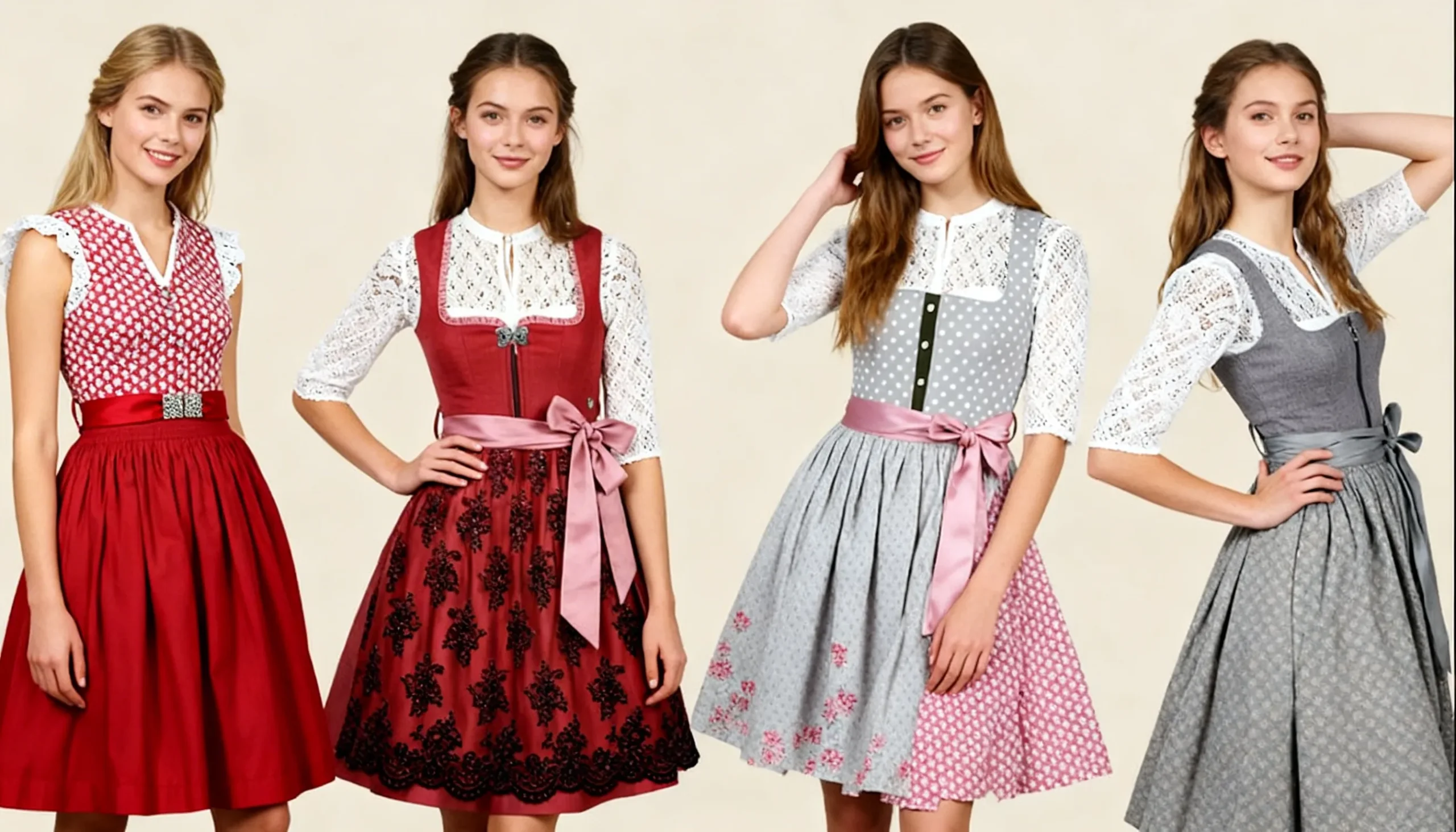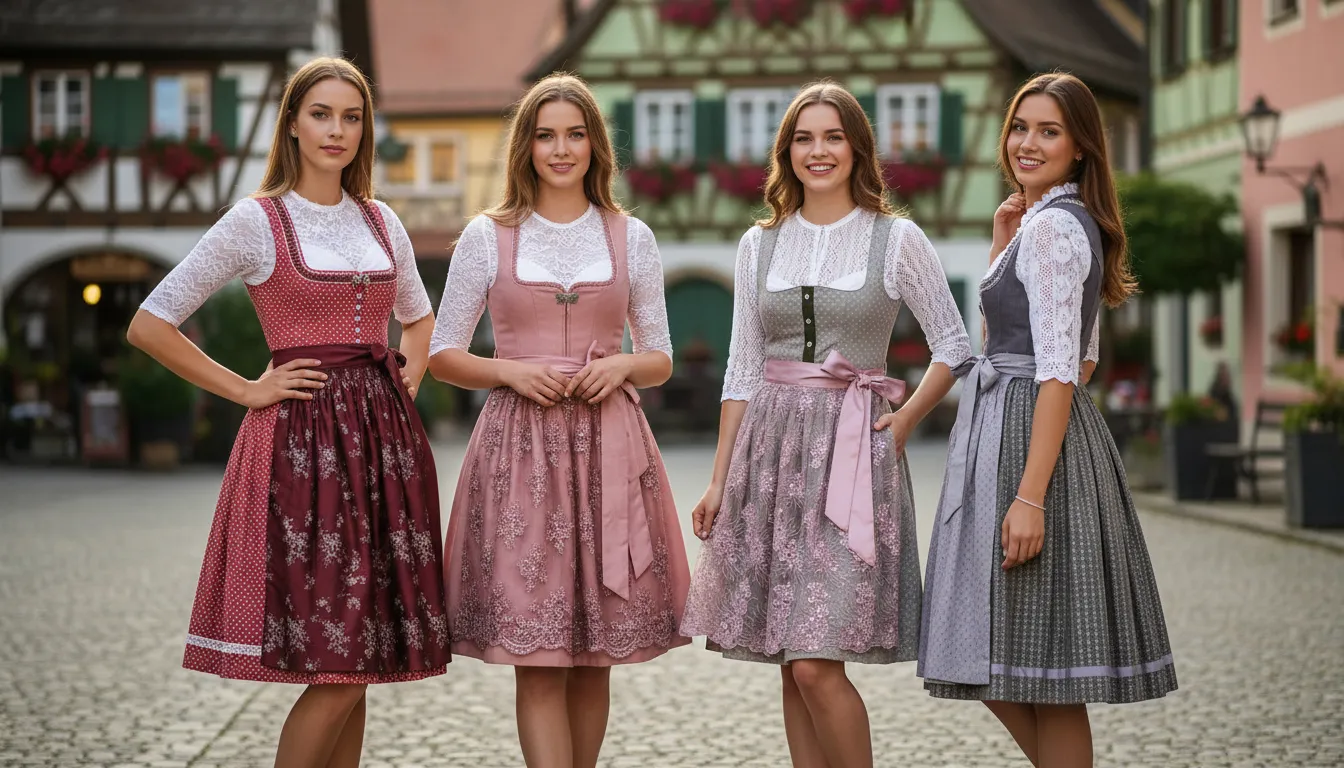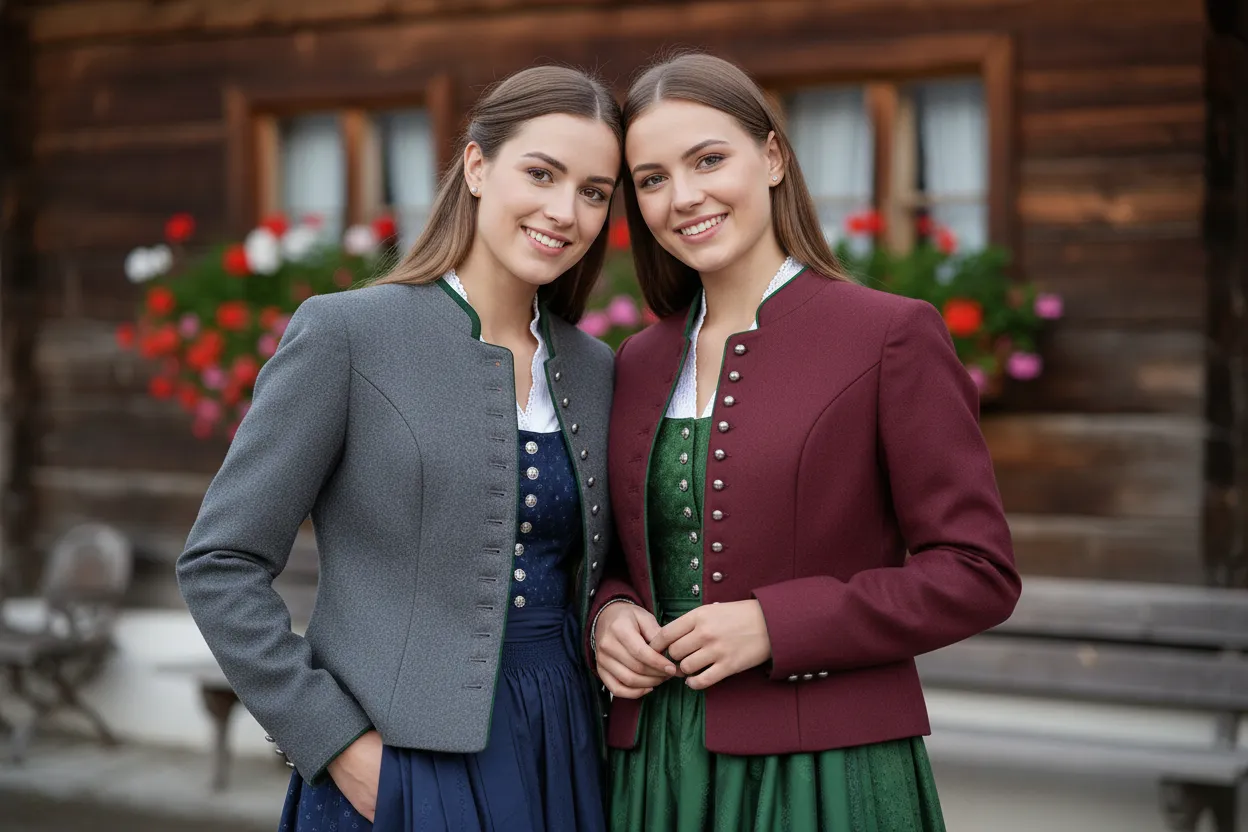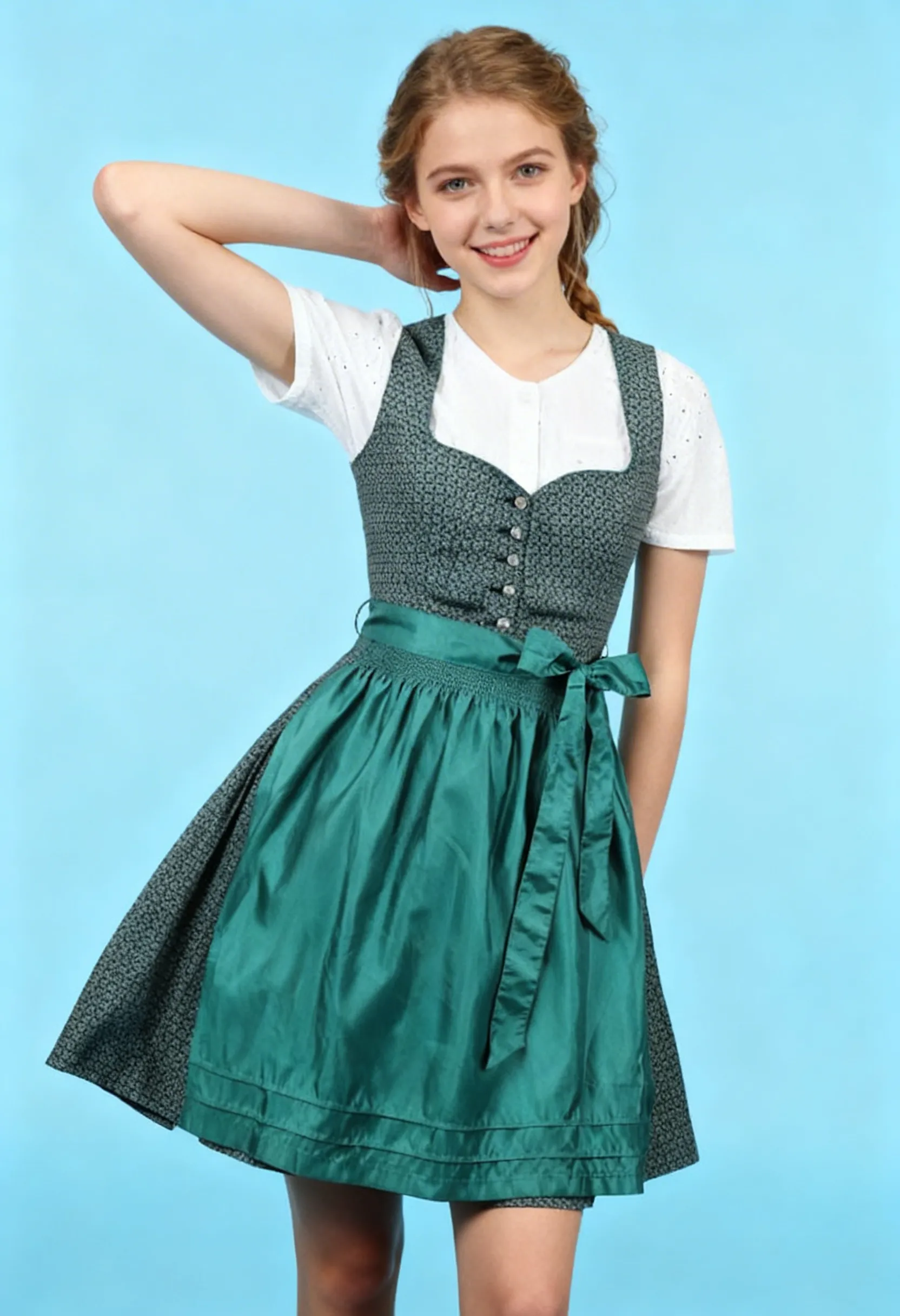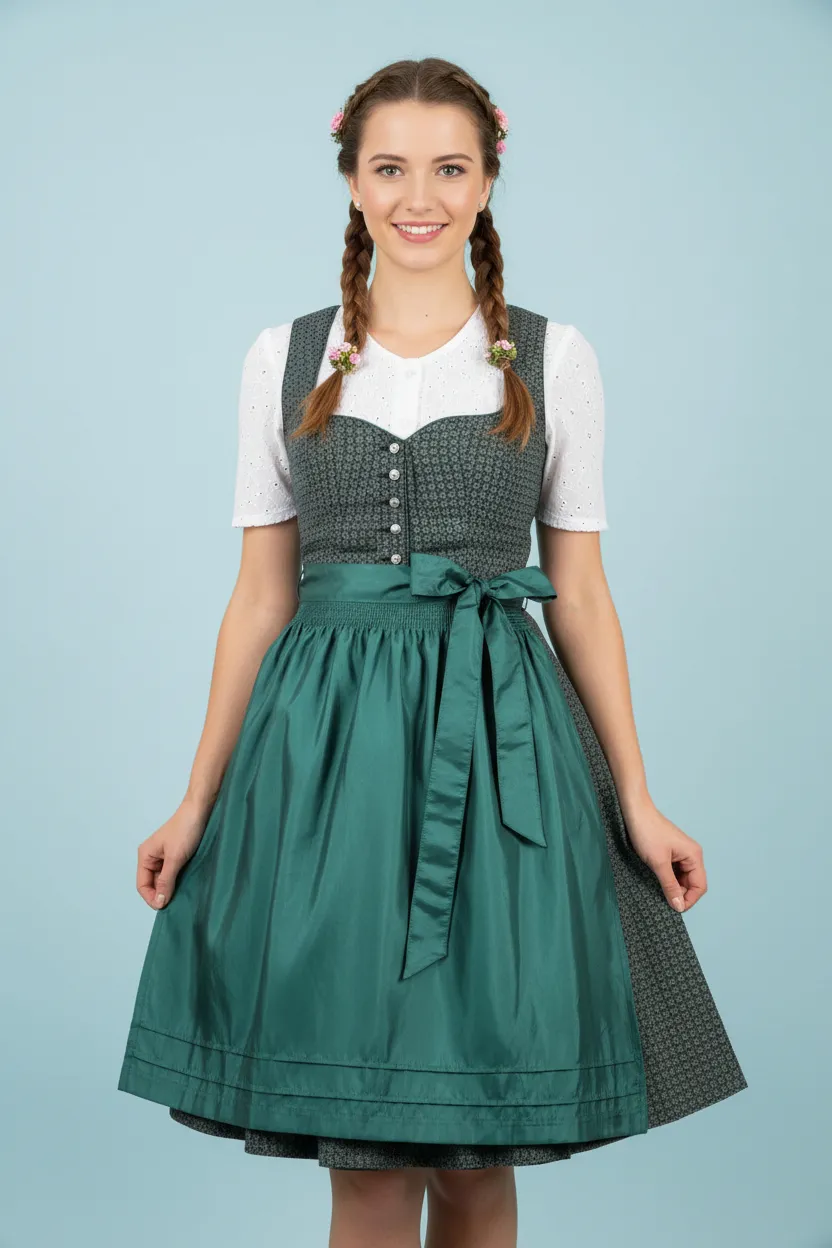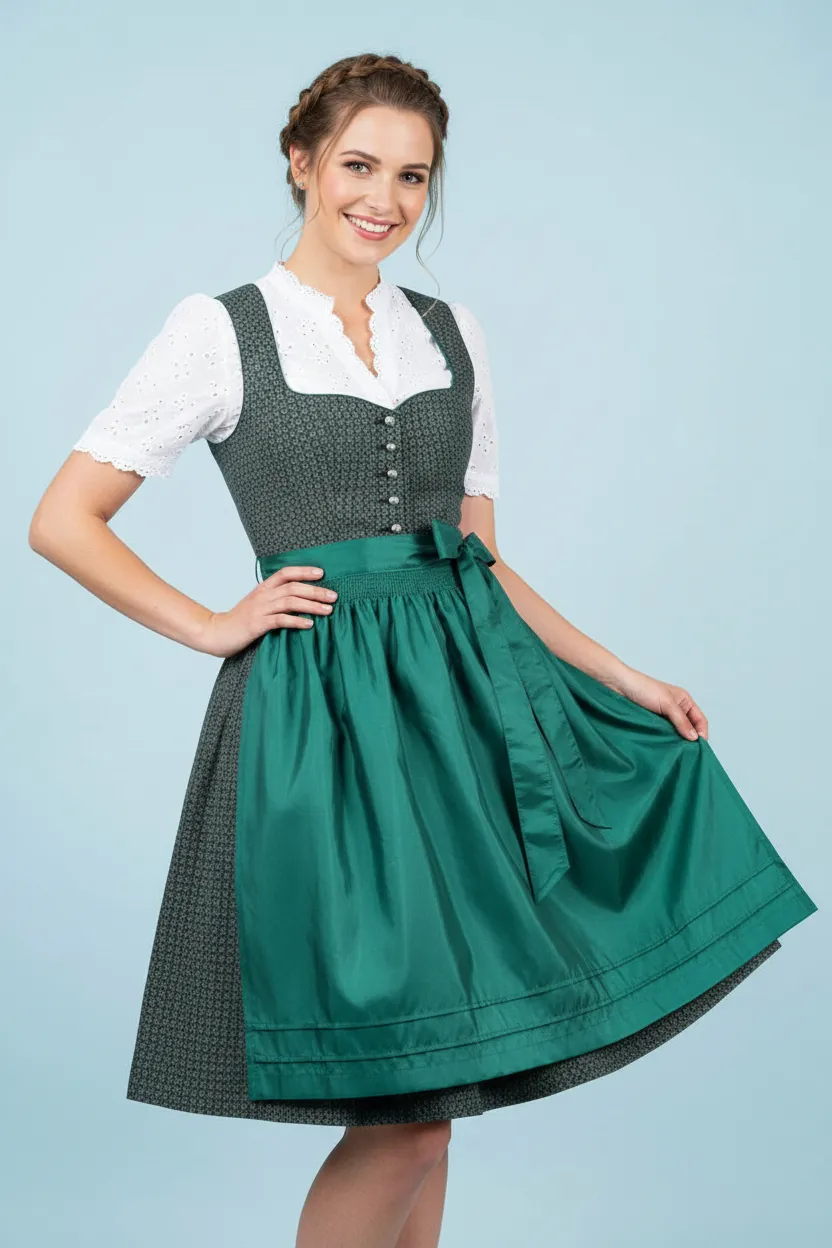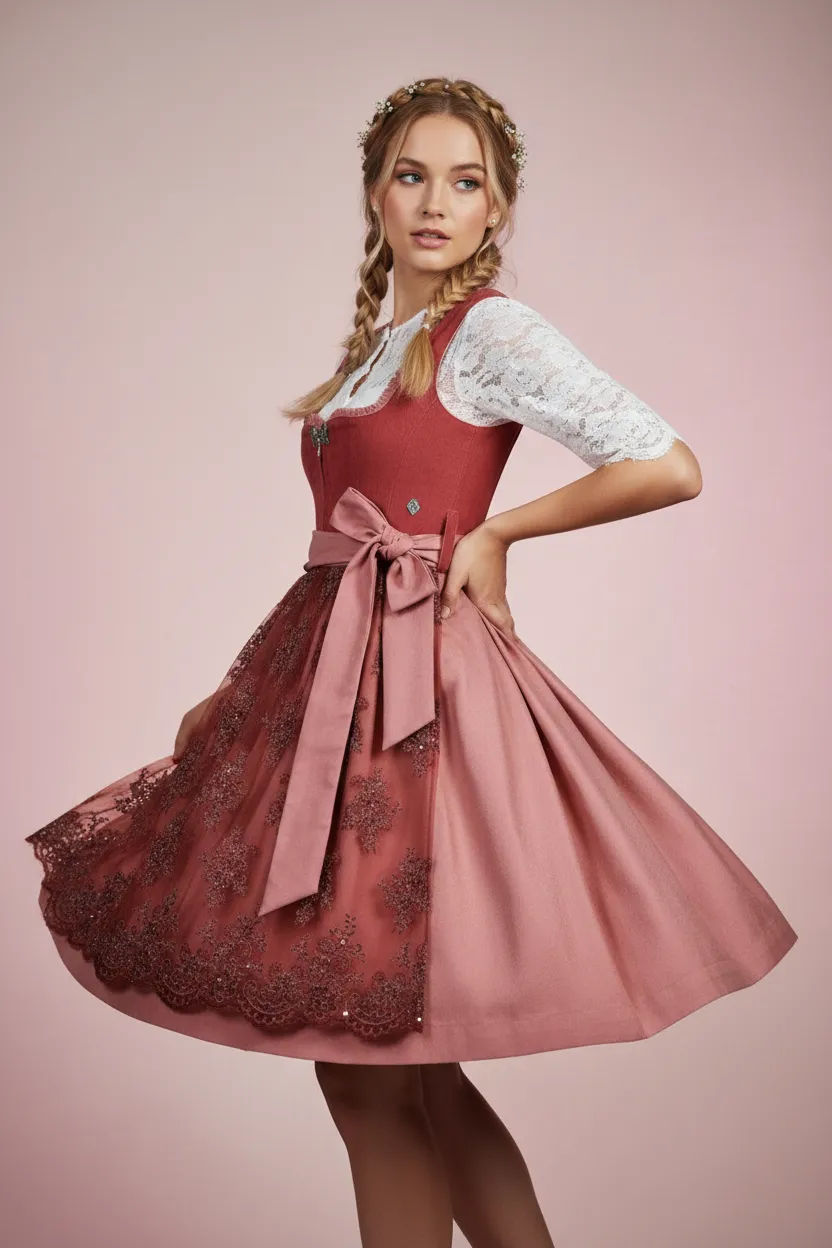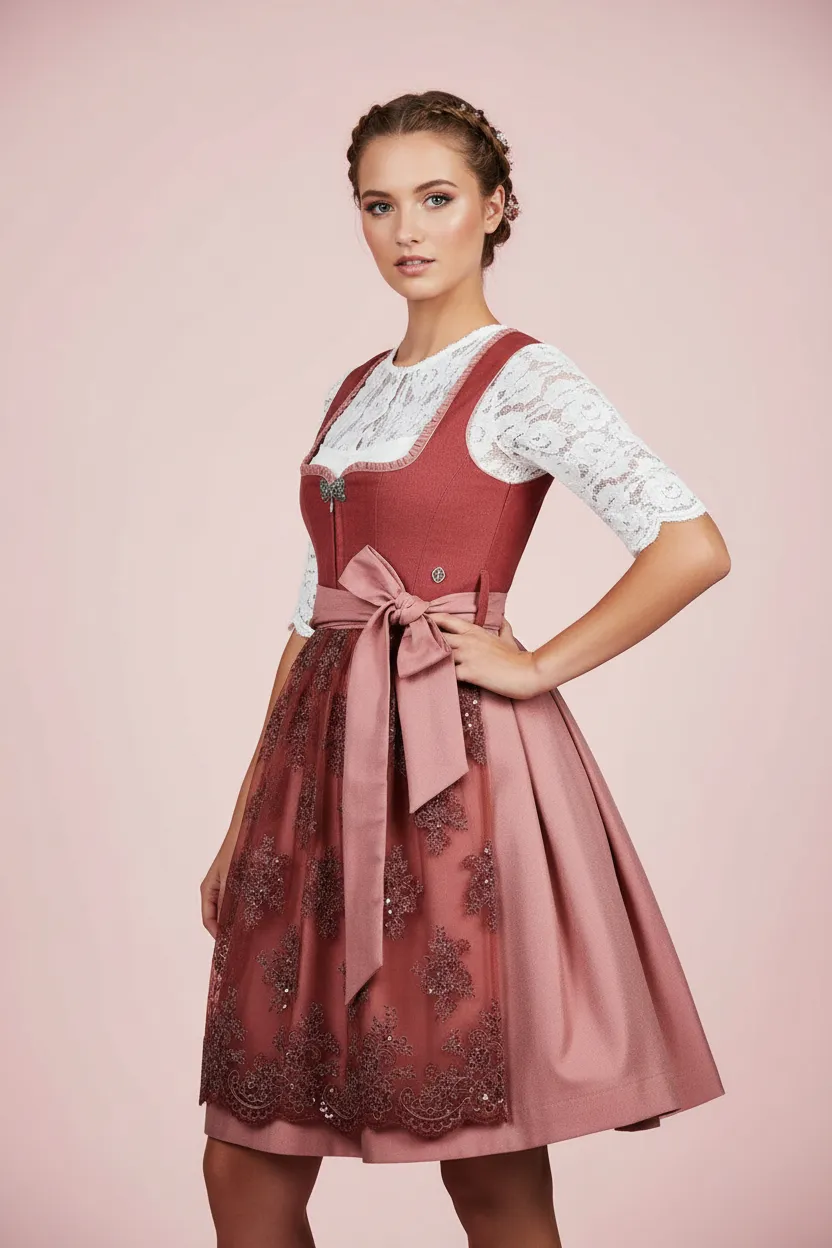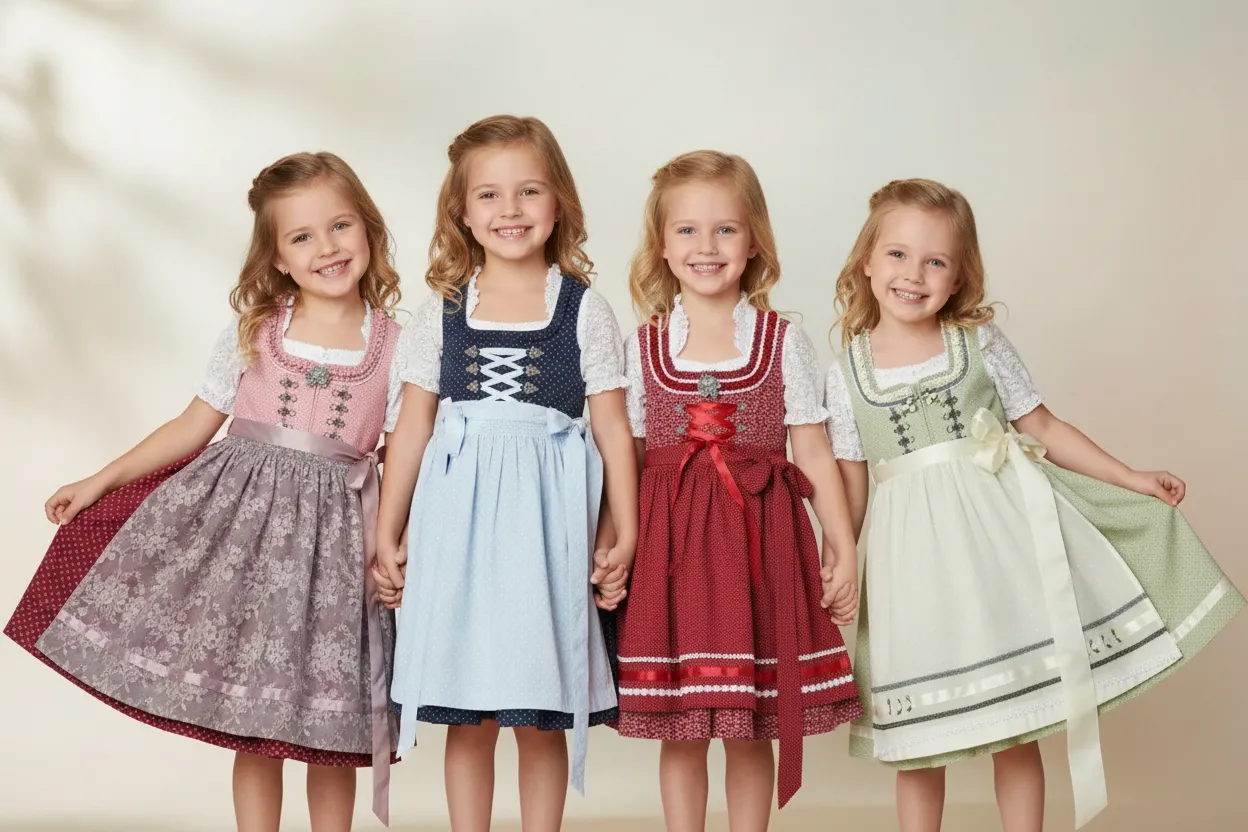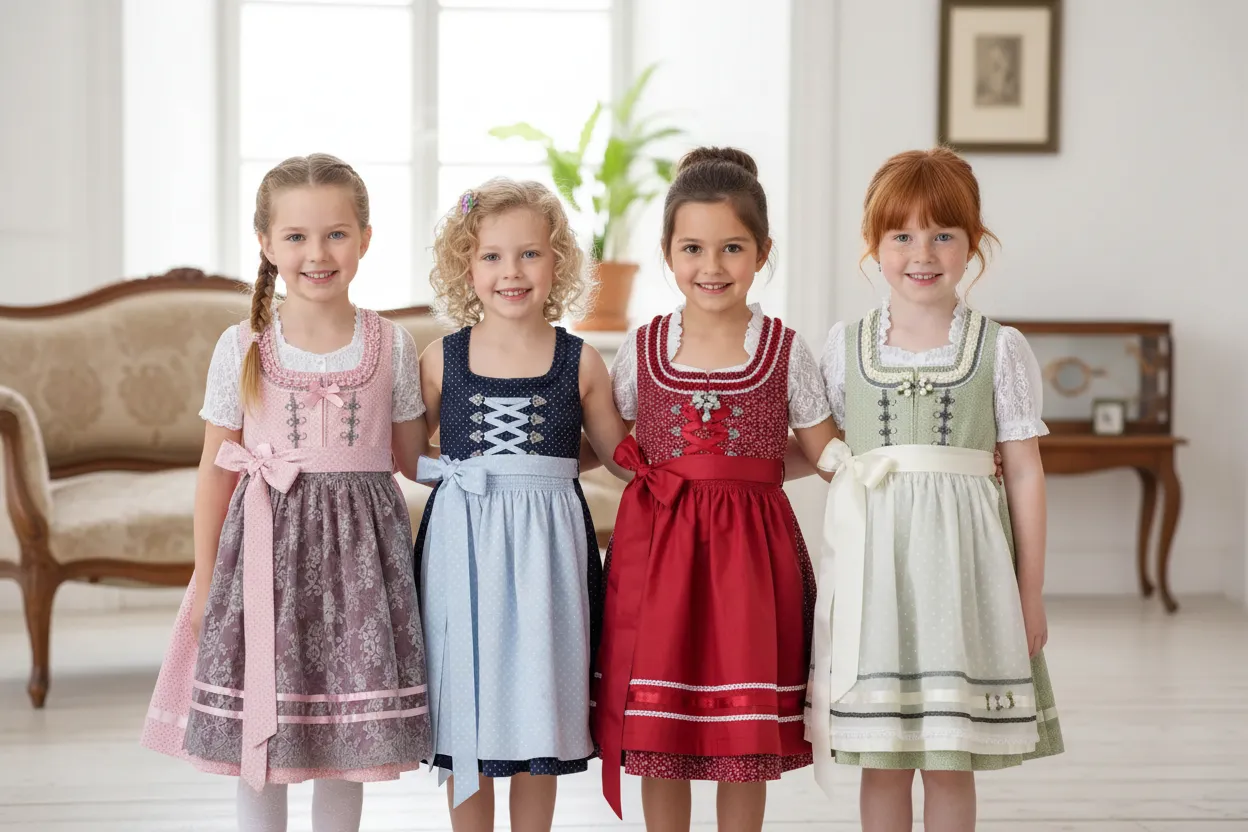
Fashion gallery
Brief history about Trachten
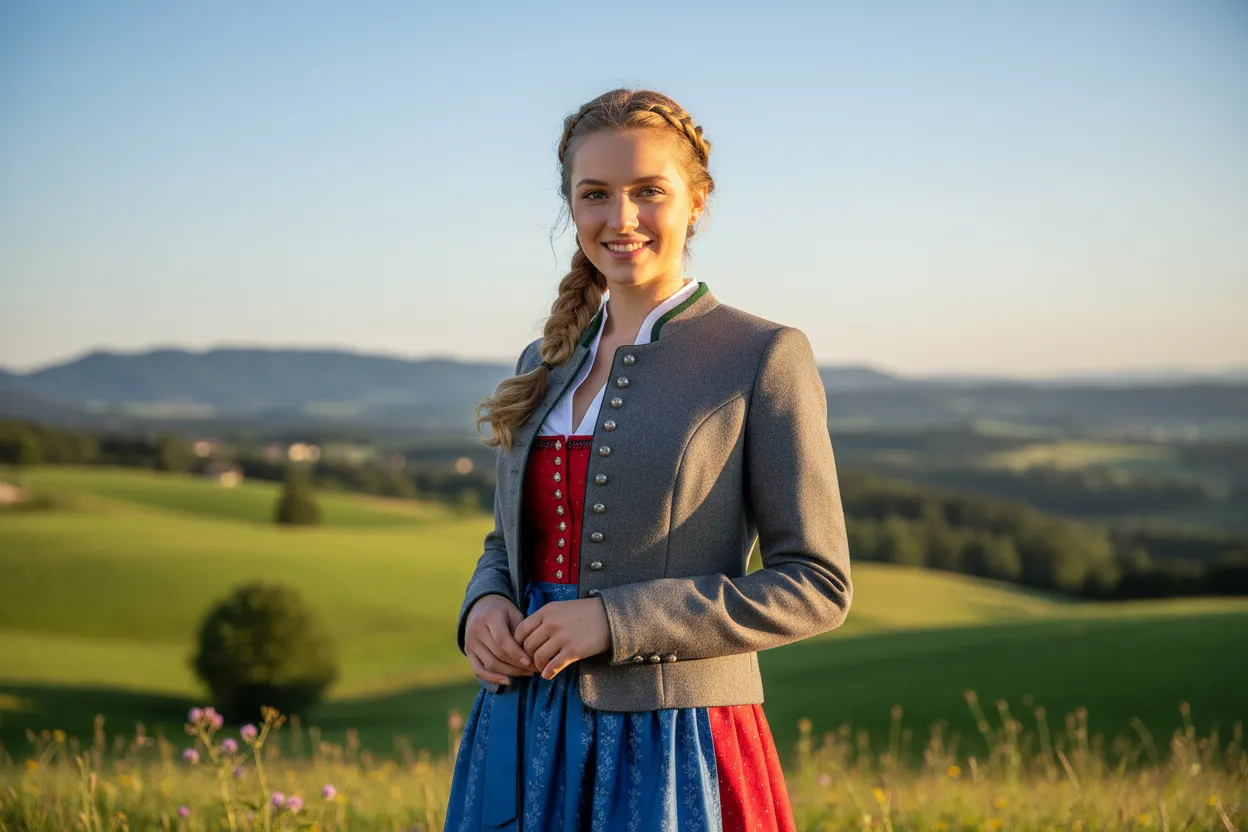
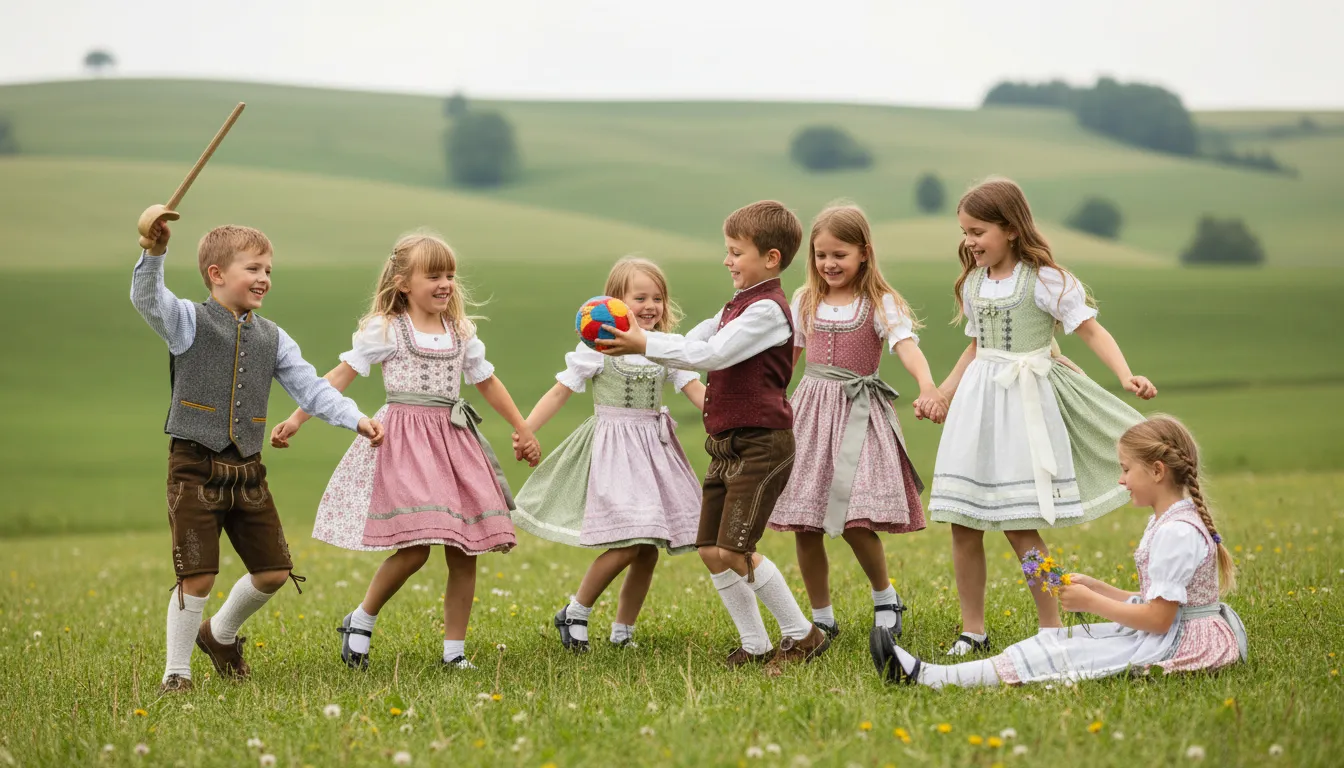
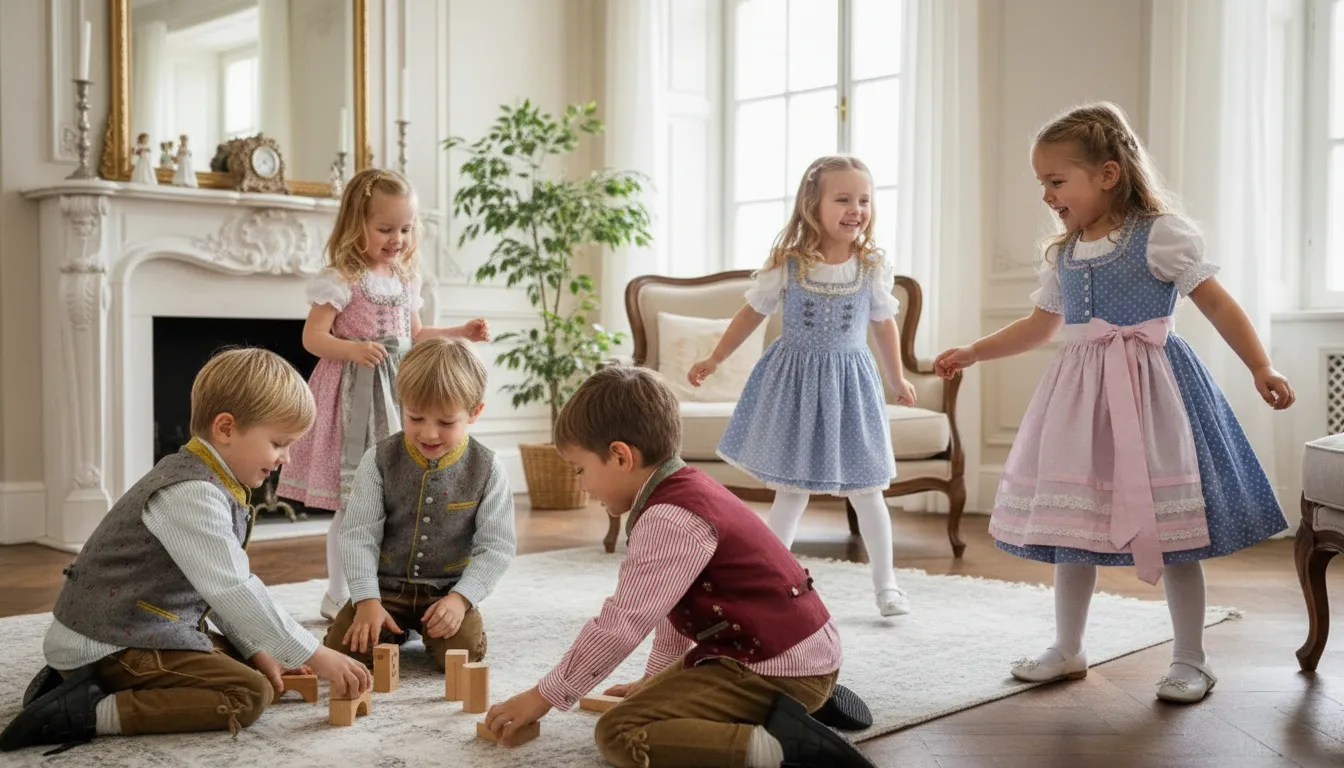
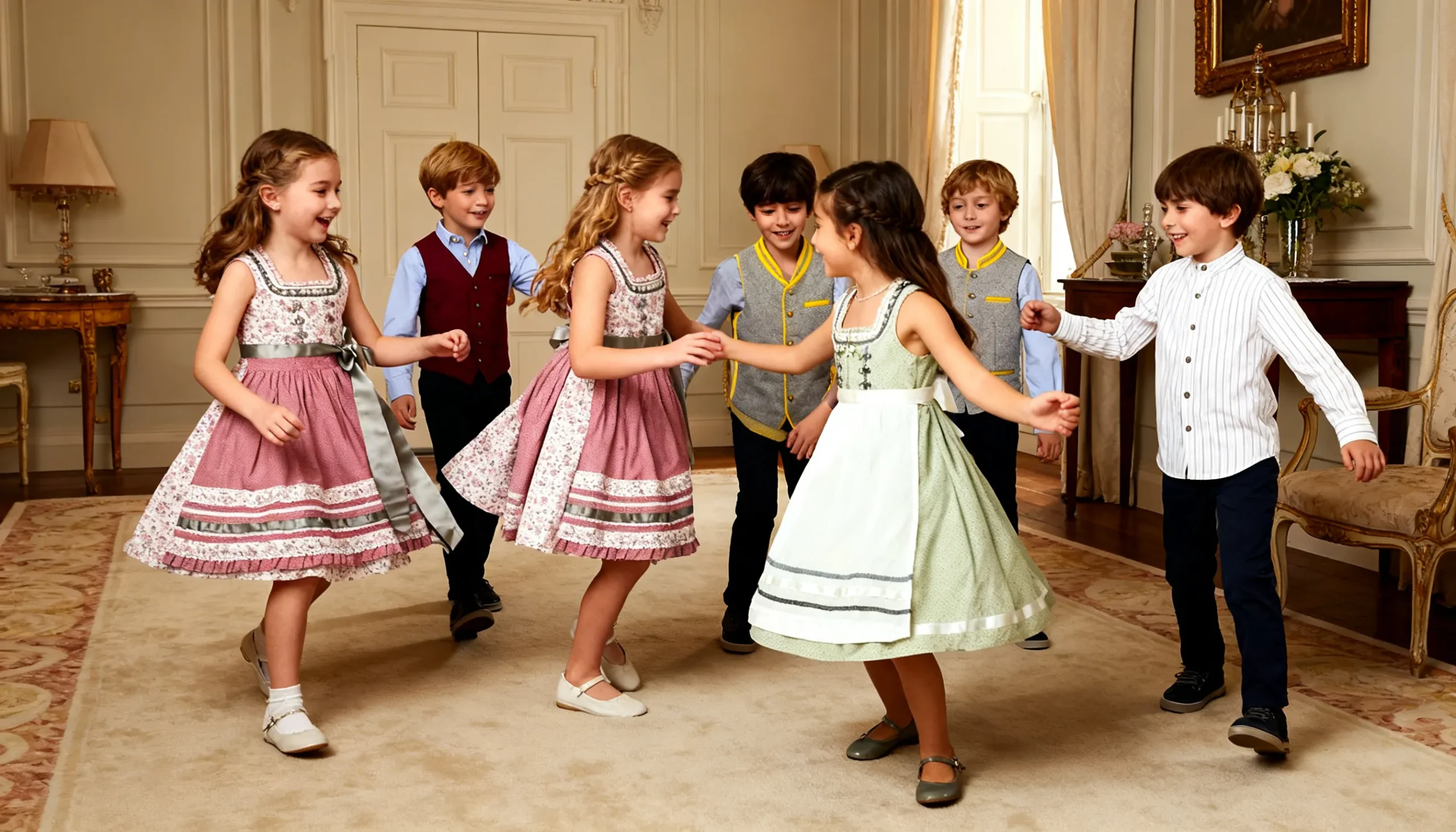
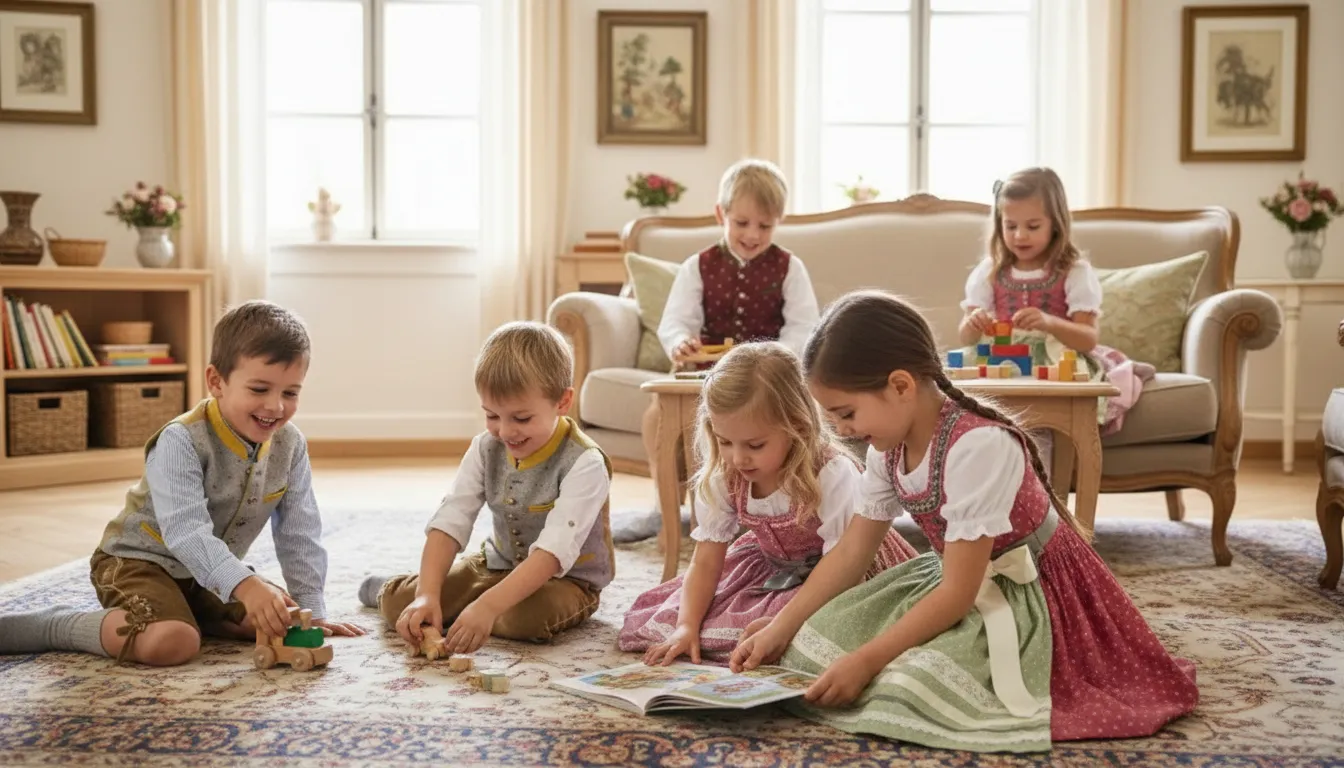
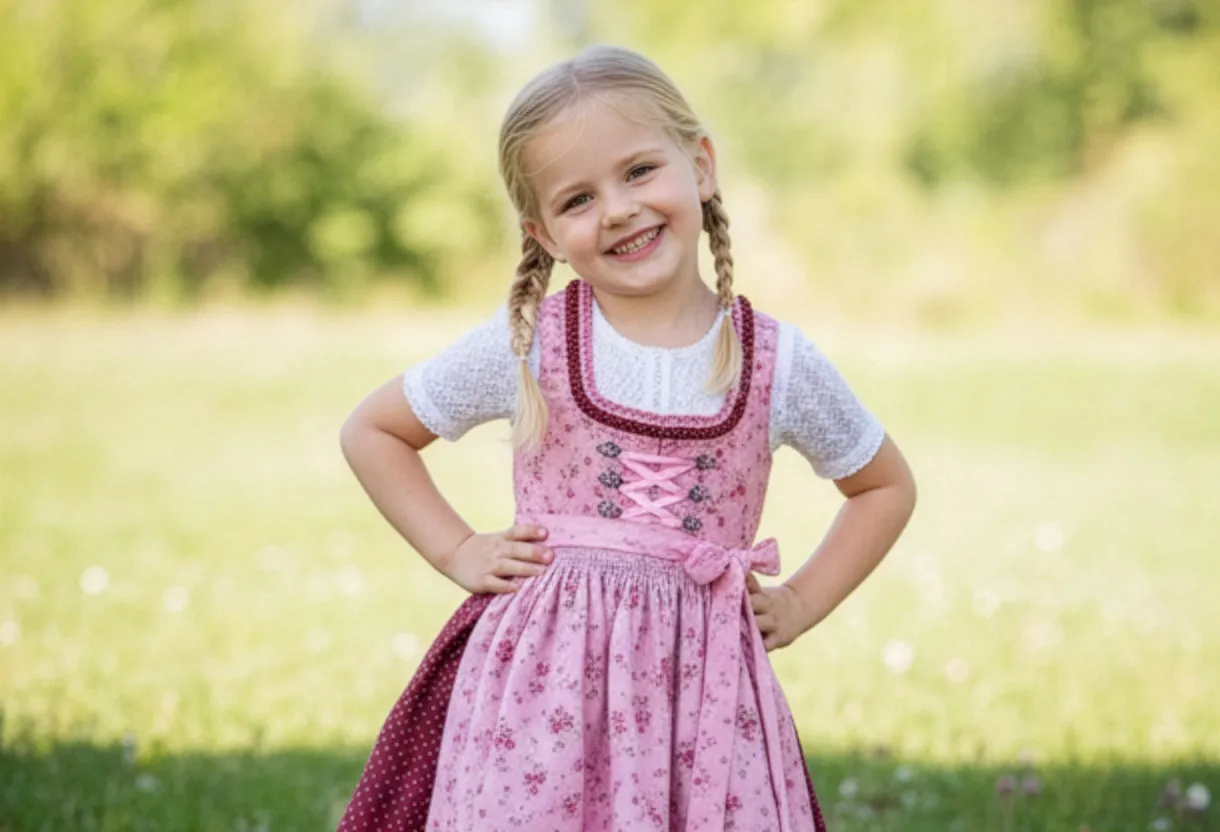
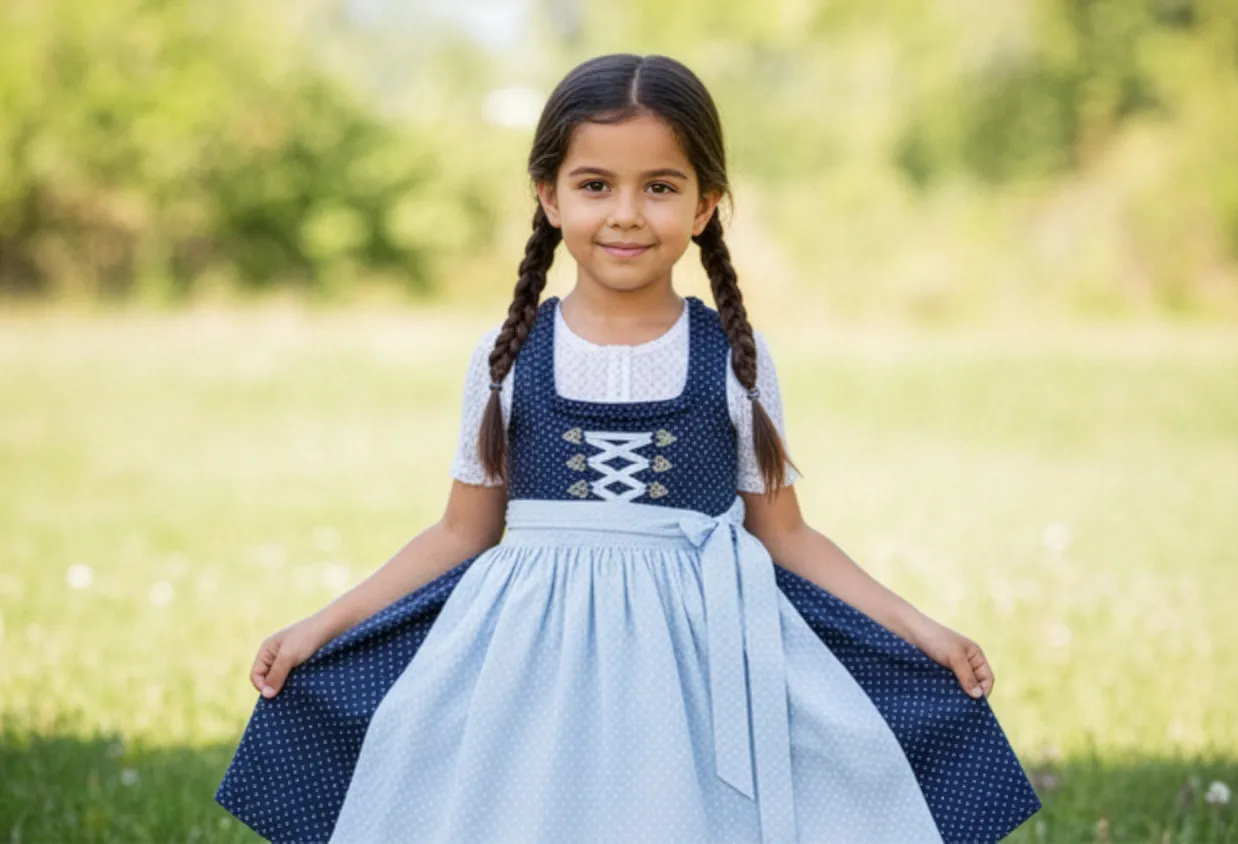
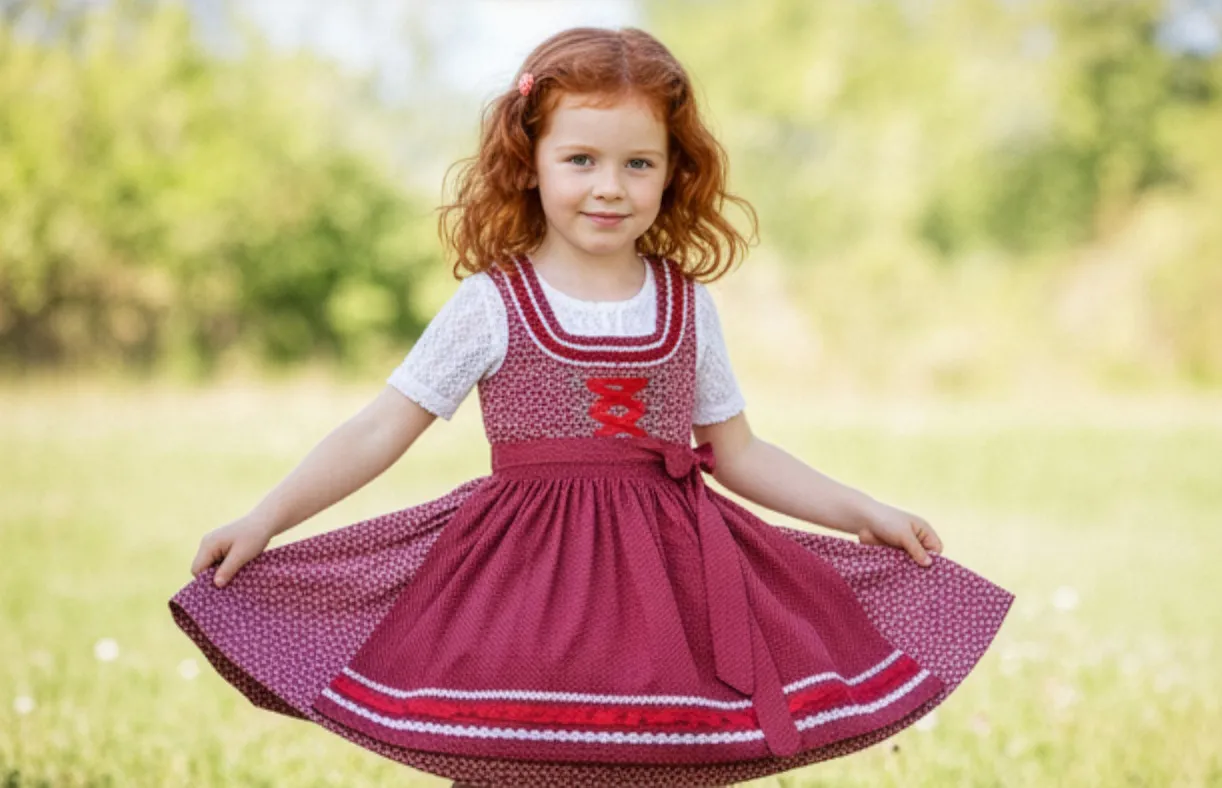
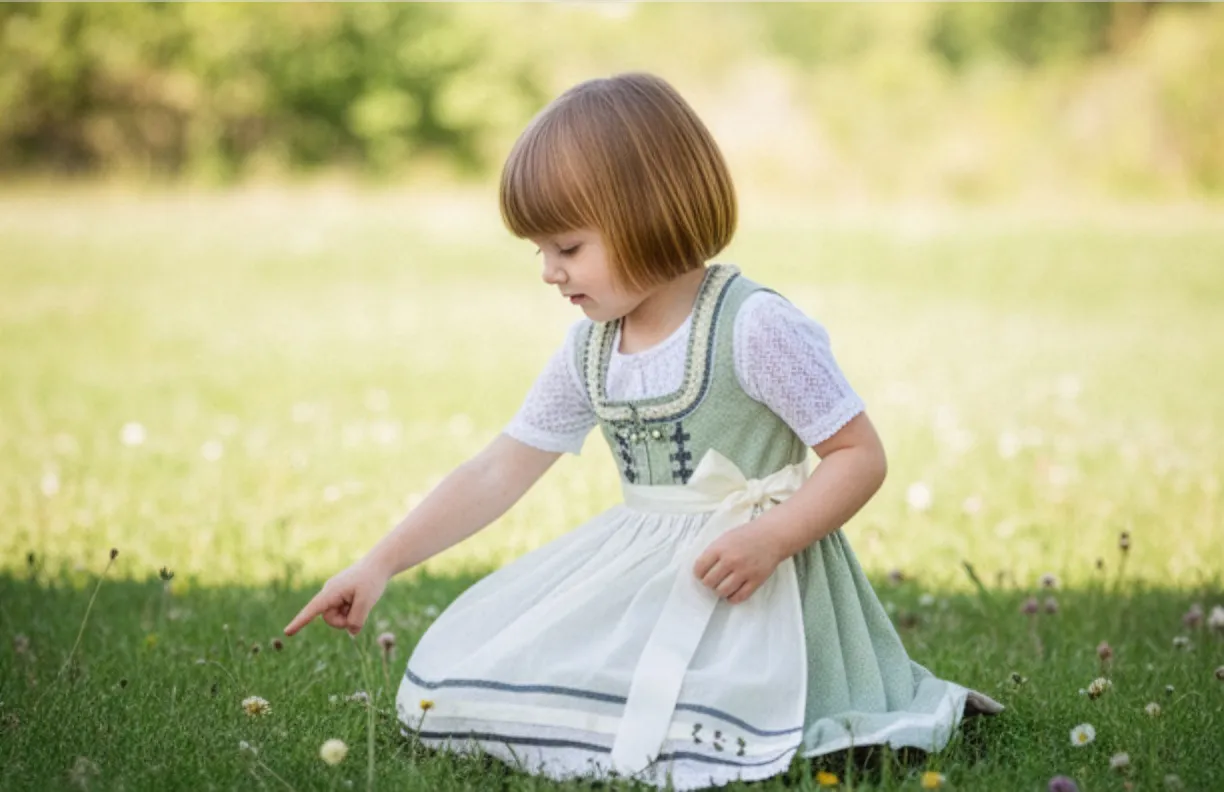
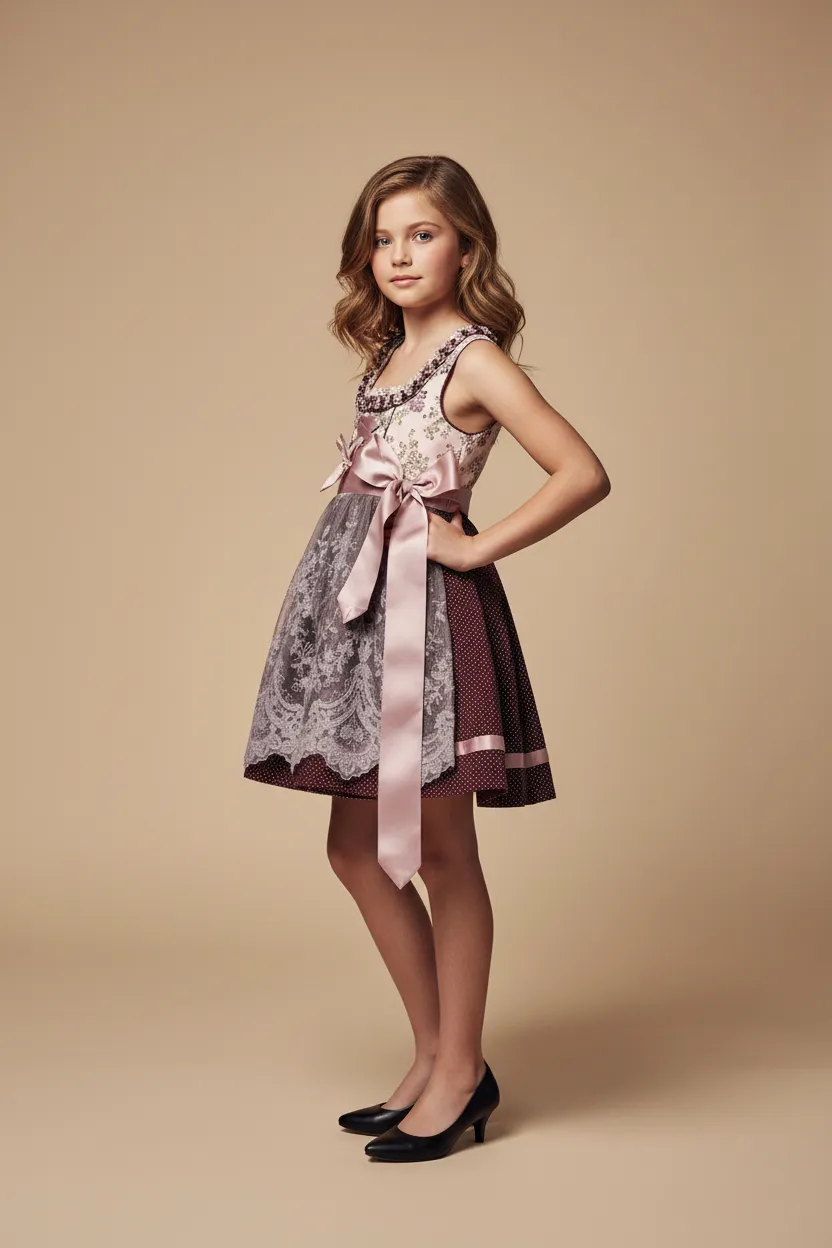
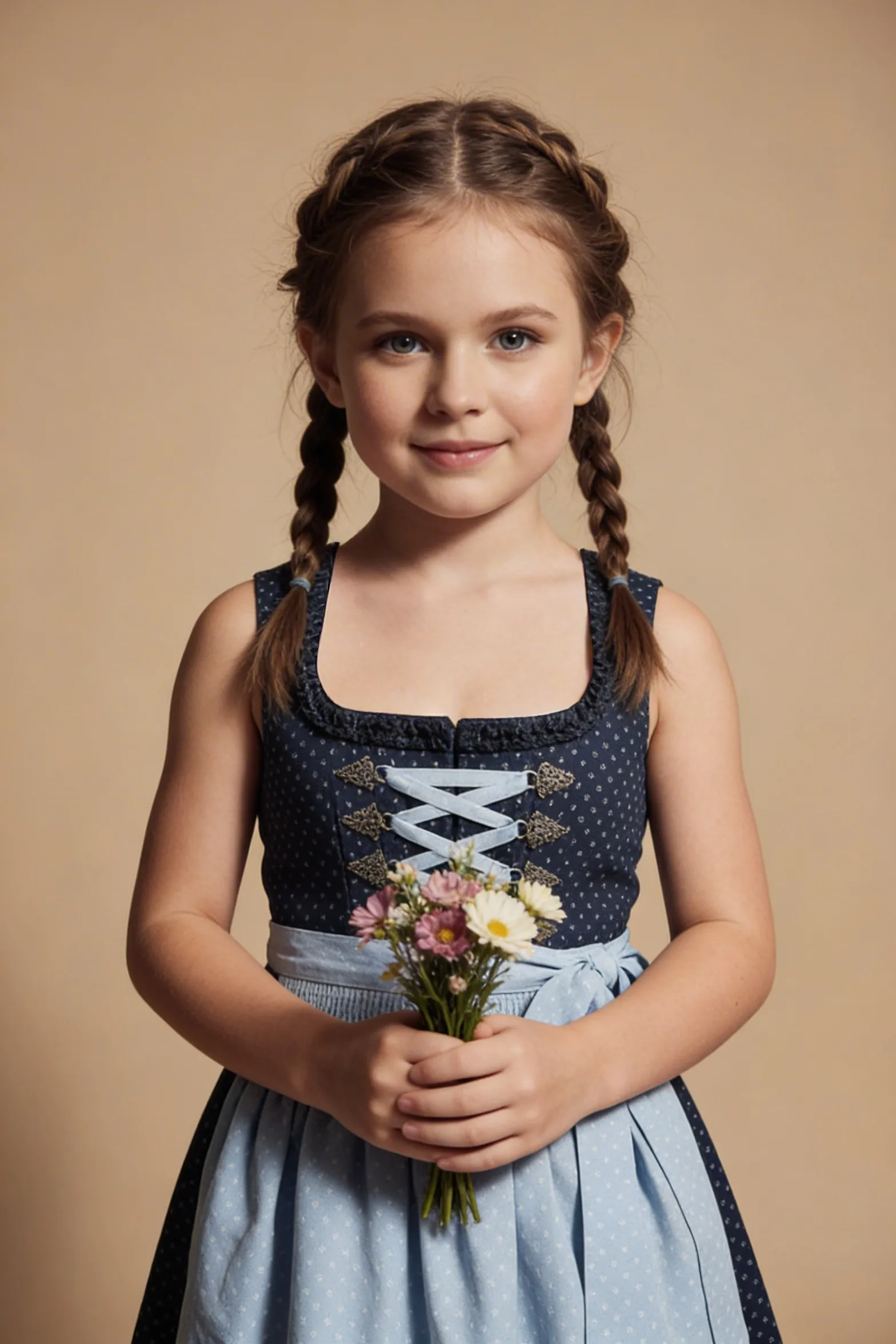
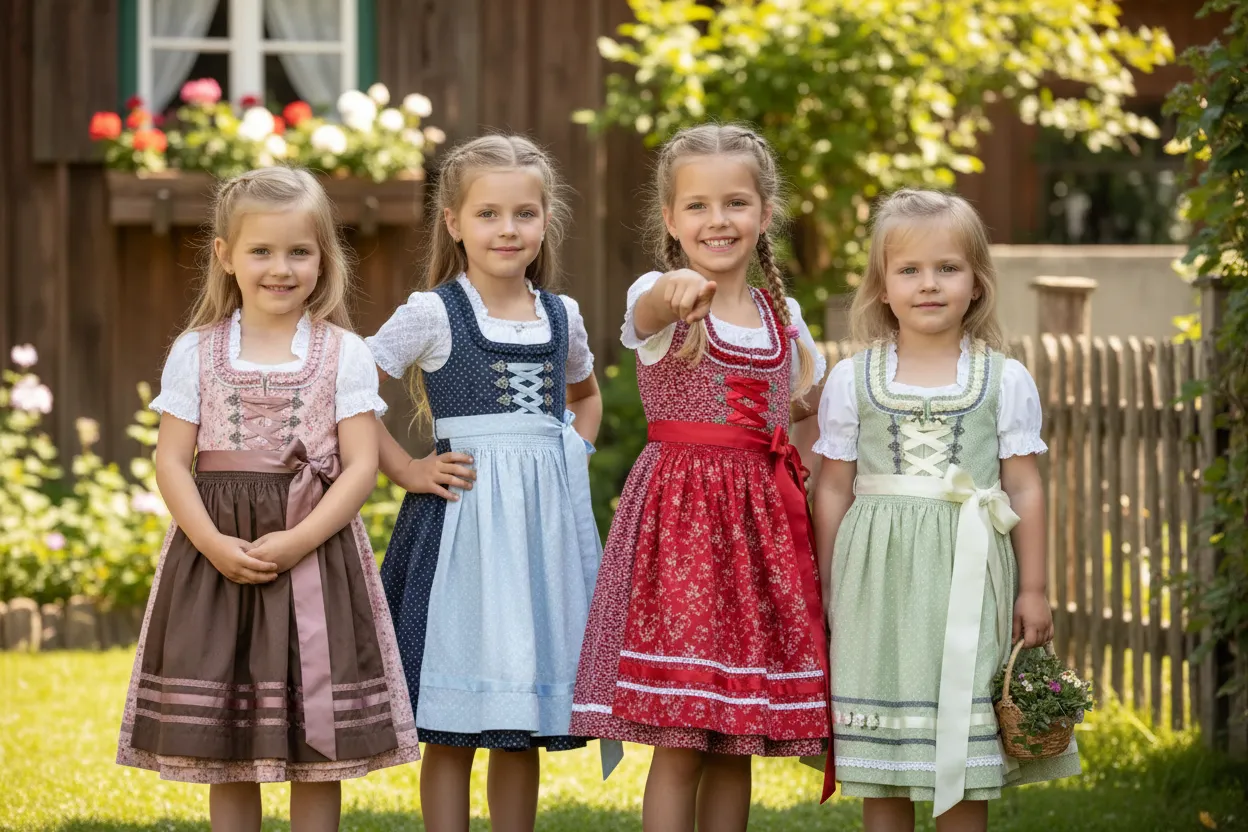
German Trachten refers to the traditional clothing worn in various regions of Germany, particularly in Bavaria and the Alpine areas. The word “Tracht” comes from the German term meaning “that which is worn,” and historically it represented the cultural identity of a region. In the 18th and 19th centuries, Trachten garments such as Dirndl for women and Lederhosen for men were originally everyday clothing worn by farmers, workers, and rural communities. Each village or region developed its own distinctive styles, colors, and embroidery patterns, reflecting local traditions and social identity.
During the 19th century, Trachten gained wider recognition when traditional clothing became a symbol of regional pride and cultural heritage. Bavarian nobility and cultural movements encouraged the preservation of traditional dress, which led to the formation of Trachtenvereine (traditional costume associations) that helped protect and promote regional garments. Over time, these garments evolved from simple workwear into more refined attire worn for celebrations, festivals, and community gatherings.
Today, German Trachten is closely associated with cultural events such as Oktoberfest and traditional folk festivals. While the garments have adapted to modern fashion trends, they still maintain their distinctive elements, including detailed embroidery, decorative buttons, and structured silhouettes. Trachten remains an important symbol of German heritage, craftsmanship, and regional identity, celebrated both within Germany and internationally.